2026 Best Kid Friendly Sectional Sofa What to Look For?

Time:2026-10-21 Author:Oliver
0%

Choosing the 2026 best kid-friendly sectional sofa requires more than checking its color and price. Families need comfort, cleanability, safety, and long-term value. This guide explains what to look for when buying a kid-friendly sectional sofa, using practical details parents can test before purchasing.

Interior designer and family-home specialist Kerrie Kelly advises, “A kid-friendly home should feel lived-in, not locked down.” That principle applies directly to sectional seating. Look for tightly woven performance fabric, removable cushion covers, rounded edges, and sturdy frames. A low-profile design can reduce climbing risks, while firm cushions may support safer sitting and easier movement. Check the seams carefully. Loose stitching often becomes a problem after repeated jumping, snack spills, and pet activity.

Real homes are rarely spotless. That matters. A sofa may claim to resist stains, yet dark juice can still leave a mark if cleaning instructions are unclear. Ask whether the fabric has been independently tested, and confirm which cleaners are approved. Measure doorways, stair turns, and play areas before ordering. Modular pieces can simplify delivery, but connectors must stay secure during daily use. Some families may prefer deeper seats, while younger children often need supportive seat heights. There is no perfect configuration. I would not ignore appearance, either. Parents live with the sofa every day. The best choice balances washable materials, dependable construction, comfortable lounging, and a design that still feels welcoming after years of family use.
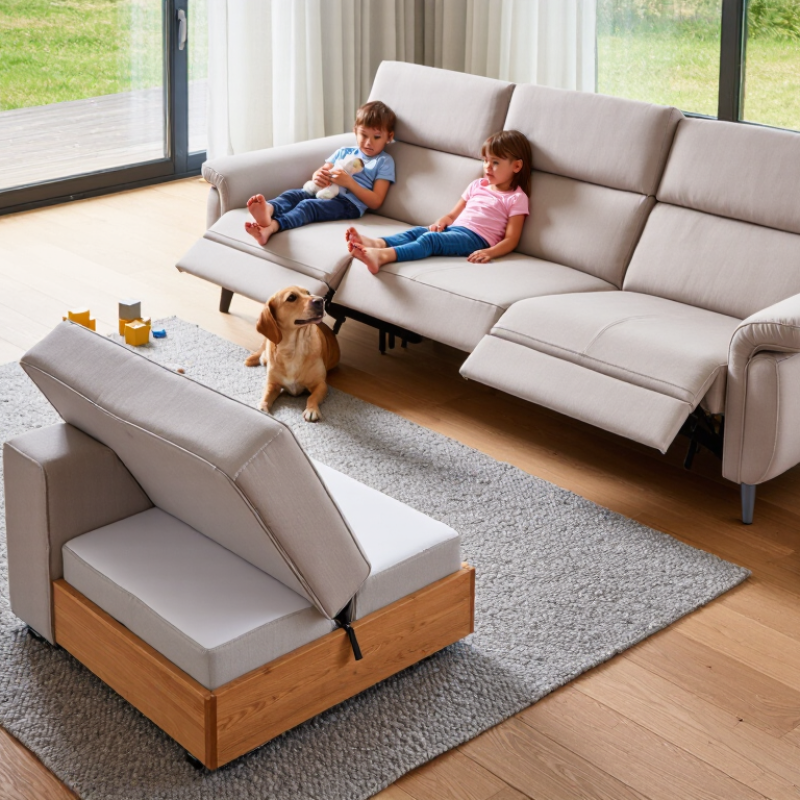
2026 Best Kid Friendly Sectional Sofa What to Look For?

Kid-Ready Sizing: Compare 18–20-Inch Seat Heights and 20–24-Inch Depths

Choosing a kid-friendly sectional starts with dimensions children can use safely and comfortably. Seat heights between 18 and 20 inches usually support easier climbing, sitting, and standing. Lower seats help younger children plant their feet on the floor. That matters during reading, play, and frequent movement.

Seat depth deserves equal attention. A 20-inch depth can support smaller legs without forcing children to lean backward. Depths up to 24 inches offer more lounging space for older children and adults. However, deeper cushions may leave short legs hanging. I have seen children slide forward repeatedly when the seat feels oversized. A firm, supportive cushion can reduce that problem, but softness still changes the experience.

Measure your child’s knee-to-floor height before choosing a sectional. Let the child sit against the back cushion and check whether both feet reach the floor. Leave enough space for a relaxed knee angle, not a cramped one. Armrests should not block entry points or create sharp contact zones. Removable covers and tightly woven upholstery also support practical daily use. Real homes are messier than showrooms. Even careful measurements can miss how cushions soften after months of use. Recheck the fit after delivery, especially if the sectional includes loose back pillows or deep corner seats.

2026 Best Kid-Friendly Sectional Sofa: What to Look For?

Kid-ready sizing typically balances easier access with enough room to sit comfortably. This comparison uses practical sectional sofa checkpoints: 18–20-inch seat heights and 20–24-inch seat depths.

Compact sizing may be easier for younger children to climb onto, while deeper seating provides more lounging space. Always compare these measurements with the child’s height, leg length, and intended sitting posture.

Performance Fabric: Target 50,000–100,000 Wyzenbeek Double Rubs

For a kid-friendly sectional sofa, performance fabric should be a serious checkpoint. Aim for 50,000–100,000 Wyzenbeek Double Rubs. This range suits busy homes with climbing children, snack crumbs, and daily lounging. A higher rating does not make fabric indestructible. It only indicates strong abrasion resistance under controlled testing.

I look closely at the fabric weave before recommending a sofa. Tight, low-texture weaves usually trap fewer crumbs and resist snagging from zippers or toy parts. Run your hand across the surface. It should feel firm, not fragile. Ask for the cleaning code and test details, too. Double Rub results measure wear, not juice stains, fading, or seam strength. Those details matter just as much.

I once focused too heavily on the rub count and overlooked maintenance instructions. That was a mistake. A durable sectional still needs quick spill removal and gentle cleaning. Choose a fabric with a practical color and a touchable finish. Dark gray may hide dirt, but pale oatmeal can make a room feel brighter. Request a fabric sample and test it with a damp cloth at home. Small tests reveal surprises. A sofa should survive real family habits, not just a laboratory machine.

Healthier Materials: Look for UL 2818 GREENGUARD Gold Certification

2026 Best Kid Friendly Sectional Sofa: What to Look For?

For a family sectional, healthier materials deserve serious attention. Look for UL 2818 GREENGUARD Gold Certification, which limits chemical emissions from indoor products. This stricter standard is designed for sensitive spaces, including nurseries, schools, and children’s rooms. It can help reduce exposure to volatile organic compounds from foam, fabrics, adhesives, and finishes. However, certification does not mean the sofa emits nothing. That distinction matters.

When shopping, ask for the exact certification record, not only a printed badge. Confirm that the certificate matches the complete sectional, including cushions and upholstery. Check whether replacement covers or modular pieces have separate documentation. I once assumed a low-odor sofa was automatically safer. That was a poor shortcut. Smell is not a reliable testing method.

Tips: Choose removable, washable covers when possible. Air out the sofa in a well-ventilated room before children use it. Avoid placing it beside a heater, since warmth may increase off-gassing. Also inspect seams, cushion firmness, and frame stability. Gold certification supports healthier indoor air, but daily cleaning still matters. Crumbs and dust can collect under deep seats quickly. Ask questions. Keep the paperwork.

Fire-Safety Screening: Check TB117-2013 Compliance and Clear Labels

When choosing a kid-friendly sectional sofa, fire-safety screening should come before color or storage features. Check whether the upholstery and filling comply with TB117-2013 requirements. This standard addresses the smolder resistance of upholstered furniture components. It does not make a sofa fireproof.

Look for a permanent, easy-to-read compliance label beneath the cushions or on the sofa frame. The wording should identify TB117-2013 compliance clearly, not merely say “safe” or “tested.” Ask the seller for supporting documents, including the tested materials and production details. Clear paperwork matters when online photographs hide small labels. It also helps confirm that replacement cushions use comparable materials.

Inspect the sofa in person when possible. Feel for loose fabric, exposed foam, or gaps where children may pull stuffing out. Keep candles, heaters, and charging devices away from the sectional, even with compliant materials. Safety is never a single label.

I used to assume a familiar safety symbol was enough. It was not. Some labels were vague, and I had to ask better questions. A careful buyer should also check the label’s condition after delivery. Missing information is a warning sign, not a minor detail. Because requirements and product specifications can change, verify current documentation with the seller or a qualified safety professional before purchasing.

Family Value: Compare Modular Repairs, Warranty Length, and 10-Year Cost

A family sectional sofa should be judged by its ten-year value, not its showroom price. A low-cost model may need replacement covers, new cushions, or hardware repairs within three years. A modular design can reduce waste because one damaged seat can be replaced without buying an entire sofa. Check whether replacement modules remain available, and ask about their prices today. Availability later is not guaranteed.

Warranty length matters, but coverage details matter more. A ten-year frame warranty sounds reassuring, yet fabric, zippers, foam, and labor may have shorter protection. Read the exclusions carefully. Look for coverage against frame cracks, loose joints, and manufacturing defects. Measure repair costs, delivery fees, and professional labor before comparing sofas. I once underestimated delivery charges, and the “better deal” became surprisingly expensive.

Tips: Create a simple ten-year cost estimate. Add the purchase price, expected replacement cushions, repair kits, delivery, and possible labor. Divide that total by ten. Test each module by sitting near the edges, where children often climb. Check washable covers, sturdy connectors, and accessible fasteners. Keep invoices and warranty documents in one folder. A repair-friendly sofa may look less perfect after years of use. That is acceptable. Family furniture rarely stays untouched.

FAQS

What abrasion rating suits a kid-friendly sectional sofa?

Look for about 50,000–100,000 Wyzenbeek Double Rubs. This range suits climbing children, snack crumbs, and daily lounging. It is not indestructible.

Does a high Double Rub rating guarantee perfect durability?

No. It measures abrasion resistance under controlled testing. It does not measure stains, fading, seam strength, or cushion performance.

What fabric weave works well for busy family rooms?

Choose a tight, low-texture weave when possible. It usually traps fewer crumbs and resists snags from zippers or toy parts. Run your hand over it.

How can I test a sectional fabric before buying it?

Request a fabric sample and cleaning instructions. Wipe the sample with a damp cloth at home. Small tests may reveal unexpected color or texture changes.

Which fabric color is practical for children?

Dark gray can hide dirt, while pale oatmeal can brighten a room. Choose a shade that matches your cleaning habits. Appearance is only part of the decision.

What does low-emission certification indicate?

It indicates that the complete product meets stricter limits for indoor chemical emissions. It may support healthier indoor air. It does not mean zero emissions.

What certification details should shoppers verify?

Ask for the exact certification record, not only a printed badge. Confirm it covers the frame, cushions, upholstery, and modular pieces. Keep the paperwork.

How should a new sectional be prepared for children?

Place it in a well-ventilated room before use. Keep it away from heaters, since warmth may increase off-gassing. Removable covers help, but they are not effortless.

Conclusion

Choosing a family sectional requires more than comparing style and price. When deciding what to look for when buying a kid-friendly sectional sofa, start with practical sizing: seat heights around 18–20 inches can help children sit comfortably, while depths of 20–24 inches offer supportive lounging without feeling oversized. Durable performance fabric is also important, especially materials tested for approximately 50,000–100,000 Wyzenbeek double rubs to better withstand spills, stains, and daily activity.

For a healthier home, consider upholstery and foam with UL 2818 GREENGUARD Gold certification, and review clear fire-safety labeling that confirms TB117-2013 compliance. Long-term value matters as well. Modular designs may allow individual sections or covers to be repaired instead of replacing the entire sofa. Compare warranty coverage, repair options, cleaning requirements, and estimated 10-year ownership costs to find a sectional that balances comfort, safety, durability, and family-friendly value.

Oliver

Oliver

Oliver is a seasoned marketing professional with a wealth of expertise in driving brand awareness and engagement. With a deep understanding of our company's product offerings, he consistently delivers high-quality content that enriches our professional blog. His insights not only shed light on......