How to Accurately Measure Your Living Room for a Sofa?

Time:2026-05-22 Author:Isabella
0%

Measuring your living room accurately is crucial when choosing the perfect sofa. Kaelin Williams, a renowned interior designer, emphasizes, “Proper measurements can make or break your living space." This guidance is essential for anyone looking to enhance their home’s comfort and style.

Understanding how to measure your living room before buying a sofa involves more than just tape and numbers. You need to consider the layout, doorways, and even windows. These elements impact how a sofa will fit and function in your space. It’s about creating a balanced environment, not just filling a void with furniture.

When measuring, remember to account for other pieces of furniture too. Leave space for walking and movement. A cramped room feels uncomfortable. An overlooked measurement can lead to costly mistakes. Many homeowners regret rushing through this step. Careful planning ensures your living room reflects your taste and serves your needs.
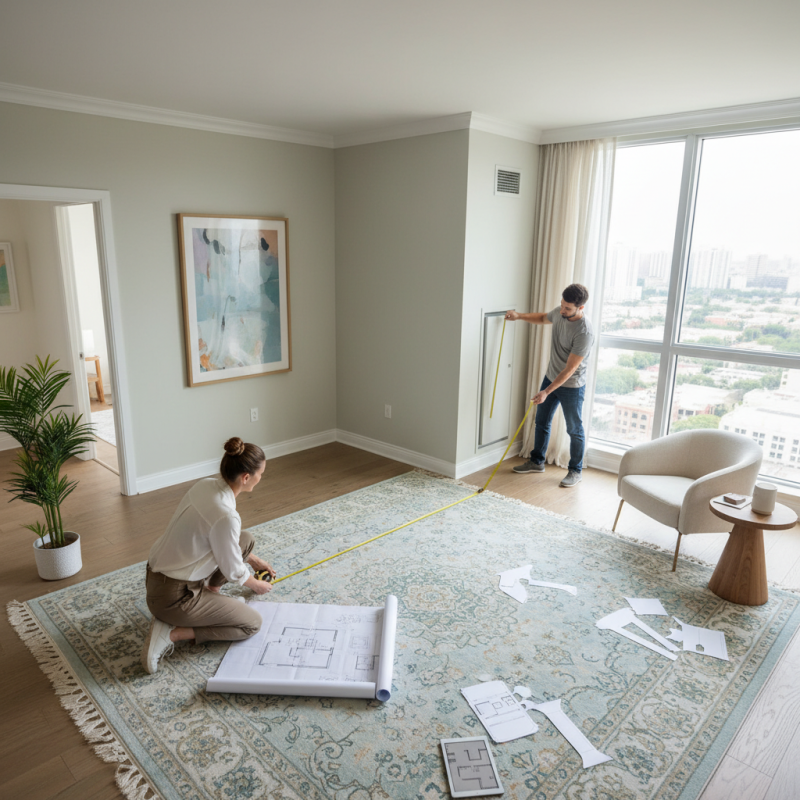
How to Accurately Measure Your Living Room for a Sofa?

Identify the Key Dimensions of Your Living Room Space

Measuring your living room accurately is crucial before purchasing a sofa. Start by identifying the key dimensions of your space. According to a report from the American Home Furnishings Alliance, an average living room size is around 15 by 20 feet. Understand the full layout. Note the distance between walls, windows, and doorways.

Take precise measurements of the walls. Consider any architectural features like columns or radiators. Ensure to check the height of windowsills, as sofas need to complement those elements. Experts recommend leaving at least 30 to 36 inches of walking space around furniture. This allows for easy movement and a comfortable atmosphere.

Reflecting on your measurements is important. Many underestimate the actual space needed for a sofa. A common mistake is not accounting for other furniture pieces. A well-measured space can avoid clutter. It helps visualize how your sofa interacts with the rest of the room. By focusing on these dimensions, you can make informed decisions that enhance both style and functionality.

Measure the Length and Width of the Room Accurately

Accurate measurements are crucial when choosing a sofa for your living room.

Begin by measuring the room's length and width. Use a tape measure for precise results. Stand in one corner, and extend the tape to the opposite wall. Record the measurement in feet or meters. Repeat this process for the width. Knowing these dimensions will help you visualize the space effectively.

Consider doorways and any obstacles while measuring. Furniture placement can be tricky, especially in smaller spaces. Take note of where windows and electrical outlets are located. These elements may influence the style and size of the sofa you choose. Also, look out for any irregularly shaped corners in the room. Measure those areas as well.

Don't forget about space for movement around the sofa.

A common mistake is overlooking clearance for walking. Aim for at least two feet of space between the sofa and walls or other furniture. This allows for easy navigation and creates a comfortable atmosphere. Be prepared to adjust your measurements based on these practical considerations.

Determine the Height of Ceilings and Doorways

Measuring your living room for a sofa involves more than just the floor space. The height of your ceilings plays a crucial role in the overall aesthetic and comfort of your space. High ceilings can create an airy feel, while standard heights may require thoughtful selection of the sofa's dimensions.

Begin by measuring the ceiling height. Consider the visual balance between the sofa and the ceiling. A tall sofa may overwhelm a room with low ceilings, making it feel cramped. Conversely, a low-profile sofa can complement high ceilings, accentuating the room’s vertical space. Pay attention to doorways as well. Ensure that your chosen sofa can fit through entrances without damage or hassle.

Check if the doorways are wider than the sofa dimensions. If they are narrow, plan for alternative entrance points. Sometimes, sofas need to be maneuvered through angles. Take note of corners or tight spaces within your home. Even the best plans can encounter unexpected challenges. Your measurements should offer flexibility, allowing room for adjustments. Sometimes, visualizing the setup can help mitigate future issues. Thus, understanding both ceiling heights and doorway dimensions is vital in ensuring a smooth delivery and placement of your new sofa.

Height of Ceilings and Doorways in Different Living Room Styles

Assess Additional Factors: Furniture, Windows, and Walkways

When measuring your living room for a sofa, it's crucial to consider various additional factors. One of the most significant is other furniture in the space. The size and arrangement of existing pieces can impact the sofa's positioning and your overall layout. Ensure you leave adequate space around each item to avoid a cramped feeling. Consider the flow of movement throughout the room. Walkways should be at least 24 inches wide for comfort.


Windows also play a vital role in your living room arrangement. Think about how the sofa might block or complement natural light. A sofa placed too close to a window can affect the comfort of seating due to heat in summer or cold drafts in winter. Reflect on the visibility of outdoor views. A well-positioned sofa can enhance the room’s aesthetic while providing a pleasant outlook.


Incorporating these factors requires some thought. It may take multiple adjustments to find the ideal arrangement. Don't hesitate to rearrange or even downsize your furniture if necessary. Being flexible will allow you to create a space that truly feels right for you.

Note Measurement Preferences: Sofa Size and Style Considerations

When measuring your living room for a sofa, consider size and style preferences. The space you have will guide your selection. Think about how the sofa will fit in the room. A large sectional can dominate smaller areas, making them feel cramped. On the other hand, a sleek loveseat may not provide enough seating for larger families.

Style is equally important. Contemporary sofas offer clean lines, while traditional styles feature ornate details. You may love a particular design, but it must complement your existing decor. Ensure to measure doorways and hallways too. An elegant sofa won't matter if it doesn’t fit through the entrance. Remember, how the sofa feels in the room matters.

Test different layouts to see what works best. Don't rush this process; sometimes, living with an empty space allows new ideas to flourish.

Consider how the sofa will be used. Will you lounge, entertain, or nap? Functionality can change the size needed. Take notes on your measurements, and visualize them in the space. Trust your instincts but be open to adjustments based on your room's unique character. Design is personal, and there’s beauty in creating a space that reflects you.

FAQS

: Why is accurate measurement important for a sofa?

: Accurate measurements help visualize the space and ensure the sofa fits well.

How should I measure the width of my room?

Stand in one corner and extend the tape to the opposite wall.

What additional factors should I consider while measuring?

Note doorways, windows, and electrical outlets. These can affect sofa choice.

How much clearance should I leave around the sofa?

Aim for at least two feet between the sofa and walls or other furniture.

Why is ceiling height significant when choosing a sofa?

It affects the overall aesthetic and comfort of your living space.

What should I check about doorways before buying a sofa?

Ensure doorways are wider than the sofa dimensions to prevent delivery issues.

How can I deal with tight spaces when moving a sofa?

Plan for alternative entrance points and be prepared for maneuvering challenges.

What if my measurements don’t seem to fit?

It's crucial to have flexibility in your measurements for adjustments.

How can I visualize my sofa setup effectively?

Picture the arrangement in your room, considering clearance and balance.

What should I do if my measurements feel off?

Reflect on any obstacles, clearances, and visualize the layout before finalizing.

Conclusion

When considering how to measure your living room before buying a sofa, it is essential to start by identifying the key dimensions of your space. Begin with accurately measuring the length and width of the room to create a clear picture of the available area. Additionally, don't forget to assess the height of ceilings and doorways, as these measurements will influence what size sofa can fit comfortably within your home.

Furthermore, evaluate other important factors, such as existing furniture, window placements, and walkways to ensure that the sofa integrates well into your living environment. Finally, take note of your measurement preferences regarding sofa size and style, as these elements will help guide your selection to fit both your aesthetic and functional needs. By meticulously following these steps, you can confidently determine how to measure your living room before buying a sofa that perfectly complements your space.

Isabella

Isabella

Isabella is a dedicated marketing professional with a sharp focus on driving brand growth and engagement through strategic content creation. With an extensive background in digital marketing, she combines her passion for storytelling with her keen understanding of industry trends to deliver......