China Best Outdoor Furniture Care in Humid Climates?

Time:2026-10-16 Author:Liam
0%

Humid climates can make outdoor furniture look tired long before its structure fails. Warm air, heavy rain, salt, and slow drying create ideal conditions for mildew, swelling, rust, and faded finishes. A dining chair may feel solid in June, yet develop loose joints by the end of the wet season. Small maintenance choices matter.

This guide explains how to maintain outdoor dining furniture in humid climates through practical, repeatable care. It considers aluminum, teak, engineered wood, plastic, and powder-coated steel, because each material reacts differently to moisture. Experienced furniture users know that shade helps, but constant dampness still causes trouble. Airflow matters more than many owners expect. Leave space between chairs, lift table legs from standing water, and dry cushions vertically after rain. Do not trap wet fabric in storage. That mistake is common.

Reliable care also requires inspection, not just cleaning. Check screw heads for rust, wooden edges for soft spots, and welds for hairline cracks. Use mild soap, clean water, and a soft brush before choosing stronger products. Harsh chemicals may damage protective coatings, even when they remove stains quickly. Manufacturer guidance should remain the final reference, especially for specialty finishes. I have found that rushed seasonal cleaning often creates new problems, such as scratched surfaces or trapped moisture. A slower routine usually protects the furniture better. Humidity cannot be eliminated, but its effects can be controlled with consistent drying, ventilation, and timely repairs. That is the real goal.
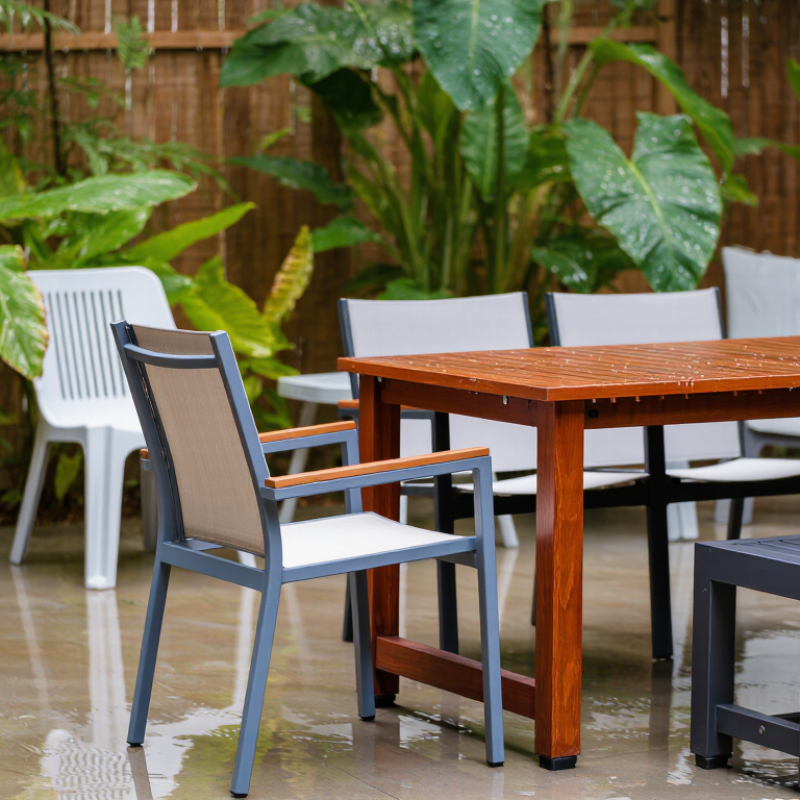
China Best Outdoor Furniture Care in Humid Climates?

Map Humidity Risks: Mold Growth Accelerates Above 60% Relative Humidity

China Best Outdoor Furniture Care in Humid Climates?

In humid Chinese coastal cities, outdoor furniture can deteriorate quickly. Once relative humidity rises above 60%, mold growth accelerates on damp cushions, joints, and shaded undersides. Warm air makes the problem faster. A small hygrometer helps track conditions near the furniture, not only indoors.

Mold often begins where water remains invisible. Check screw holes, woven surfaces, seat seams, and the floor beneath each piece. After rain, wipe standing water and allow cushions to dry vertically in moving air. Keep furniture slightly elevated from wet ground. Breathable covers work better than tightly sealed plastic, which can trap condensation. Clean washable fabric with a mild detergent, then dry it completely. Never store damp cushions.

I once assumed a covered table needed little attention. That was incomplete. The underside stayed wet for days, and dark spotting appeared around the leg joints. Now, I inspect hidden areas weekly during the rainy season. Light surface growth may respond to careful cleaning, but deeply affected porous materials can remain contaminated. Do not mix cleaning chemicals. Follow the material maker’s care instructions when available. Ventilation matters more than appearance. Even a clean-looking chair can hold enough moisture for mold to return. Temperature changes also create condensation, especially overnight. Leaving small gaps between furniture pieces improves airflow, though it does not solve every humidity problem.

Select China-Made Frames: AAMA 2604/2605 Powder Coating for Metal

China Best Outdoor Furniture Care in Humid Climates?

For humid patios, China-made metal frames need more than attractive design. Ask suppliers for AAMA 2604 or 2605 powder-coating test documentation. AAMA 2604 suits high-performance outdoor use, while AAMA 2605 offers stronger resistance to fading, moisture, and weathering. These classifications describe coating performance, not the entire furniture frame.

From practical inspections, surface preparation often decides long-term durability. Look for chemical pretreatment, controlled film thickness, and sealed weld areas. Smooth drainage holes also prevent water from hiding inside tubing. Stainless or properly protected fasteners reduce staining around joints. Request batch records and sample panels before placing a large order. A coating label alone is not proof.

Tips:

Rinse frames monthly with clean water, especially near the coast. Use mild soap and a soft cloth. Avoid abrasive pads and strong solvents. Check chips quickly, because humidity can reach exposed metal. Even excellent powder coating needs care.

I have seen well-coated frames fail early when water collected beneath plastic feet. This detail is easy to miss. Select raised, replaceable feet and keep furniture off constantly wet surfaces. No coating removes every maintenance risk. Local climate testing remains worth considering.

Protect Wood and Wicker: Maintain 12–20% Moisture and Ventilation

China Best Outdoor Furniture Care in Humid Climates?

Protect Wood and Wicker: Maintain 12–20% Moisture and Ventilation

Humid air can quietly damage outdoor wood and natural wicker. The USDA Forest Products Laboratory’s Wood Handbook, FPL-GTR-282 (2021), shows wood equilibrium moisture commonly reaching about 12–20% under moderate, humid conditions. This range is a practical warning zone, not a perfect rule. Moisture above 20% can encourage swelling, staining, and fungal growth, especially beneath chair legs or woven seats.

I check furniture after rain, then move it into shade with open airflow. Never trap damp cushions against wood. Leave small gaps between pieces, and keep furniture several centimeters above wet flooring. Natural wicker needs gentle brushing and thorough drying. Resin wicker does not absorb moisture like wood, but its metal frame and joints still need ventilation. I once ignored a shaded corner for several weeks. The surface looked fine, but the underside had softened.

Tips: Use a moisture meter on hidden wood areas. Check monthly during the rainy season. Aim for 12–20% moisture in wood, and avoid sealing damp material. Clean blocked vents and remove leaves quickly. A breathable cover is better than a tightly wrapped plastic sheet. The Wood Handbook also notes that temperature and relative humidity change moisture movement, so readings can vary daily. That makes regular checks more reliable than one measurement.

Wash and Dry Correctly: Use pH-Neutral Cleaner and Weekly Drainage Checks

China Best Outdoor Furniture Care in Humid Climates?

Humid weather turns small cleaning mistakes into stubborn stains. Wash outdoor furniture with a pH-neutral cleaner and lukewarm water. Harsh alkaline products can dull coatings, while strong acids may damage metal finishes. Use a soft brush around joints, woven surfaces, and screw heads. Rinse thoroughly, because cleaner residue attracts dust and holds moisture.

Drying matters as much as washing. The U.S. Environmental Protection Agency advises drying wet materials within 24–48 hours to limit mold growth. The USDA Forest Products Laboratory reports that wood-decay fungi usually need moisture near or above the fiber-saturation point, about 30% moisture content. Wipe cushions separately, stand them upright, and open drainage gaps. Do not stack damp fabric. I sometimes rush this step. That is where problems begin.

Tips: Check every drainage hole weekly, especially after heavy rain. Remove leaves from frame channels and table gaps. Feel underneath cushions, not only the visible surface. If water remains after several hours, improve the slope or reposition the furniture. Test the cleaner on a hidden area first. Take photos of recurring stains; patterns often reveal poor airflow. A simple checklist helps, although I still miss one inspection occasionally.

China Best Outdoor Furniture Care in Humid Climates: Wash and Dry Correctly

Representative humid-climate locations commonly maintain annual mean relative humidity of about 75–84%. In these conditions, wash outdoor furniture with a pH-neutral cleaner, rinse away residue, dry all surfaces completely, and check drainage points weekly to reduce moisture retention, staining, and mildew risk.

Climate figures are rounded long-term annual relative-humidity averages reported in public meteorological climate summaries.

Test Durability: Apply ISO 4892-3 UV and ISO 9227 Corrosion Standards

Outdoor furniture in humid climates faces more than rain. Warm moisture can soften coatings, swell wood joints, and accelerate corrosion around hidden fasteners. ISO 4892-3 provides a controlled method for testing UV resistance with fluorescent ultraviolet lamps, moisture cycles, and defined exposure periods. I would inspect color change, cracking, chalking, and loss of surface adhesion after each cycle. Humidity exposes weak points. A pale finish may look acceptable after several weeks, yet fine cracks can appear around corners and screw holes.

ISO 9227 evaluates corrosion resistance through salt spray testing. Neutral salt spray can reveal coating defects, edge failures, and corrosion spreading beneath damaged areas. For furniture used near coastal air, technicians should record blistering, rust creep, and corrosion near welded joints. Test panels should match the real material, coating thickness, and preparation process. Otherwise, the result may look impressive but mislead purchasing decisions. A chamber is not a patio. Natural sunlight, standing water, dirt, and temperature changes create different stresses.

Reliable evaluation combines laboratory results with practical inspection. Wipe moisture from frame connections, check drainage holes, and examine the underside of tabletops after outdoor exposure. One weakness remains: laboratory cycles cannot perfectly predict years of family use. That limitation deserves honest reporting, not attractive numbers. Small details matter. Suppliers should retain test records, photographs, sample identities, and inspection dates for independent review.

FAQS

Why does outdoor furniture need extra care in humid coastal cities?

Mold growth accelerates above 60% relative humidity, especially in warm, shaded areas. A hygrometer near the furniture shows local moisture levels. Small changes matter.

Where can hidden moisture remain?

Inspect screw holes, seat seams, woven surfaces, leg joints, and the floor beneath each piece. A clean-looking chair may still hold moisture. I once overlooked a table underside for days.

How should cushions dry after rain?

Wipe standing water immediately. Stand cushions vertically in moving air, away from wet ground. Never store damp cushions.

Are tightly sealed plastic covers suitable?

Tightly sealed plastic can trap condensation beneath the cover. Use a breathable cover instead. Leave small gaps between furniture pieces to improve airflow.

What cleaner works best for outdoor furniture?

Use a pH-neutral cleaner with lukewarm water. A soft brush helps clean joints, woven areas, and screw heads. Test the cleaner on a hidden spot first.

Why is thorough rinsing important?

Cleaner residue can attract dust and retain moisture. Rinse drainage channels, table gaps, and frame surfaces carefully. Harsh products may dull coatings or damage metal finishes.

How quickly should wet furniture materials dry?

Try to dry wet cushions and other materials within 24–48 hours. Open drainage gaps and stand cushions upright. I sometimes rush this step. That is where problems begin.

What should be checked every week during rainy weather?

Check drainage holes after heavy rain. Remove leaves from frame channels and table gaps. Feel beneath cushions, not only the visible surface. I still miss one inspection occasionally.

What should happen if water remains for several hours?

Improve the furniture’s slope or reposition it. Keep pieces slightly elevated from wet ground. Repeated water retention suggests poor drainage or airflow.

Can surface mold always be removed by cleaning?

Light surface growth may respond to careful cleaning. Deeply affected porous materials can remain contaminated. Do not mix cleaning chemicals. Follow available material-care instructions.

Conclusion

Outdoor furniture in humid climates requires a maintenance plan that addresses moisture, mold, corrosion, and sunlight. Mold growth accelerates when relative humidity rises above 60%, so good airflow, shaded placement, and regular drying are essential. Metal frames made in China should be evaluated for durable powder coatings that meet AAMA 2604 or AAMA 2605 performance requirements. Wood and wicker furniture should be kept within a moisture range of approximately 12–20%, while proper ventilation helps prevent swelling, cracking, and mildew.

Understanding how to maintain outdoor dining furniture in humid climates also means using a pH-neutral cleaner and avoiding harsh chemicals that may damage protective finishes. Furniture should be washed regularly and checked weekly for blocked drainage, trapped water, or damp cushions. Durability can be verified through recognized testing, including ISO 4892-3 for UV exposure and ISO 9227 for corrosion resistance. These practices help extend service life and preserve appearance in consistently warm, wet environments.

Liam

Liam

Liam is a dedicated marketing professional with a profound expertise in the industry, where he excels at highlighting the unique advantages of our core products. With a keen understanding of market trends and consumer needs, Liam frequently updates our company’s professional blog, providing......