When selecting chairs for a dining table, size matters. A 72 inch dining table provides ample space for dining, entertaining, and family gatherings. An essential question arises: how many chairs can fit around a 72 inch dining table?
Typically, this table can comfortably seat six to eight chairs. However, the actual number may vary based on chair size and design. For instance, standard dining chairs are usually 18 to 20 inches wide. This makes it easy to visualize how they fit. Yet, one must also consider the comfort of guests.
Choosing the right configuration is crucial. A rectangular arrangement might maximize space, while a round setup could foster conversation. Cluttered spaces can feel cramped. Guests may find it hard to maneuver. Reflecting on these factors can lead to a more enjoyable dining experience. It's about balance, comfort, and visual appeal.
Choosing the Right Chair Size for a 72 Inch Dining Table
Choosing the right chair size for a 72-inch dining table involves several important considerations. The standard recommendation is to allow 24 inches of space per chair. This means you can fit roughly six chairs around the table. However, this should be adjusted based on chair width. Some chairs are wider and require more space.
Consider the chair height as well. A typical dining chair seat height ranges from 18 to 20 inches. Make sure the chairs align well with the table height to avoid discomfort. A mismatch here can lead to awkward postures.
Evaluate the design of the chair — a bulky style may look attractive but could crowd the table.
Experimenting with different styles and layouts can also help. For example, mix and match chairs with different designs. This can create visual interest, but be cautious of chaos. It’s essential to strike a balance. Watch for how the chairs feel in the dining space. After all, a beautiful layout must also be functional.
Optimal Arrangement Styles for Seating Around the Table
Arranging chairs around a 72-inch dining table can be tricky. A table of this size typically offers ample space for six to eight diners. However, the arrangement style significantly impacts comfort and social interaction. Research indicates that a circular layout promotes conversation, fostering deeper connections between guests. Placing chairs at equal distances creates an inviting atmosphere while maintaining accessibility.
Another popular option is a rectangular arrangement. This can accommodate more people, with a pair of chairs on each side. This setup often helps maximize space, especially in smaller dining areas. The National Kitchen and Bath Association reports that optimizing seating can increase the functionality of dining spaces. Yet, flexibility is essential. Different occasions may call for varied arrangements, reminding us to be adaptable.
Consider the dimensions of each chair. Wider chairs may require more space, limiting capacity. Similarly, the style of the table and chairs can affect how they harmonize. Ensure that each guest has adequate elbow room. It’s important to frequently reassess arrangements. Being mindful of how people interact during dinners can refine the experience significantly. Balancing style and comfort is not always straightforward but worth the effort for memorable gatherings.
Best Ways to Fit Chairs Around a 72 Inch Dining Table?
| Seating Style |
Number of Chairs |
Comfort Level |
Best for |
| Standard Arrangement |
6-8 |
Medium |
Family Gatherings |
| L-Shape Arrangement |
6 |
High |
Small Spaces |
| Round Arrangement |
8-10 |
Medium |
Casual Dining |
| Banquet Style |
10-12 |
Medium to Low |
Events/Parties |
| Side Chairs Only |
4 |
High |
Intimate Dinners |
Space Considerations: Ensuring Comfort and Accessibility
When arranging chairs around a 72-inch dining table, comfort and accessibility are paramount. The space around the table should allow guests to move freely. Aim for at least 36 inches between the table and walls or furniture. This distance promotes a more relaxed dining experience. Consider the width of the chairs. Wider chairs will require more space, so adjust accordingly.
Tips for spacing: Use tape to visualize chair placement. Move chairs around to see how they fit. Make adjustments based on the flow of your dining area. You can do this without permanent changes.
It’s essential to account for the table’s shape too. A round table may allow for closer seating, while square or rectangular tables might need more space. Also, think about the length of the legs on your chairs. Legroom can affect comfort significantly. If chairs are too low or high, dining can become awkward. Always test your arrangement and be open to modifying it.
Creating a comfortable atmosphere is not just about the number of chairs, but the overall design. Don’t hesitate to rearrange often until you find the perfect fit.
Chairs Fitting Around a 72 Inch Dining Table
This chart illustrates the number of available configurations for fitting chairs around a 72-inch dining table. As shown, the most common configuration accommodates four chairs for optimal comfort and accessibility.
Alternative Seating Options: Benches vs. Traditional Chairs
Choosing seating for a 72-inch dining table can be challenging. Traditional chairs provide a classic look and comfort. They come in various styles and can match any decor. However, they do have limitations. You might face issues with space and flexibility. When guests arrive, you may need extra seating options.
Benches offer a versatile alternative. They can accommodate more people without taking up too much space. A bench can fit three or four adults comfortably. It creates a cozy atmosphere, inviting people to sit close together. Choosing a bench with storage can help reduce clutter. But, benches may not be as comfortable as chairs for long dinners.
Ultimately, both choices have pros and cons. Traditional chairs are good for formal occasions. Benches encourage a casual vibe. Reflect on your needs and the overall dining experience. Think about comfort, style, and how often you entertain. Finding a balance will enhance your dining area.
Design Aesthetics: Coordinating Chair Styles with the Table
Creating a cohesive look around a 72-inch dining table requires thoughtful coordination of chair styles. The right balance enhances both aesthetic appeal and functionality. According to a report by the American Home Furnishings Alliance, 65% of consumers prioritize style when selecting dining chairs. This means chair design should harmonize with the table's materials and finish for an inviting atmosphere.
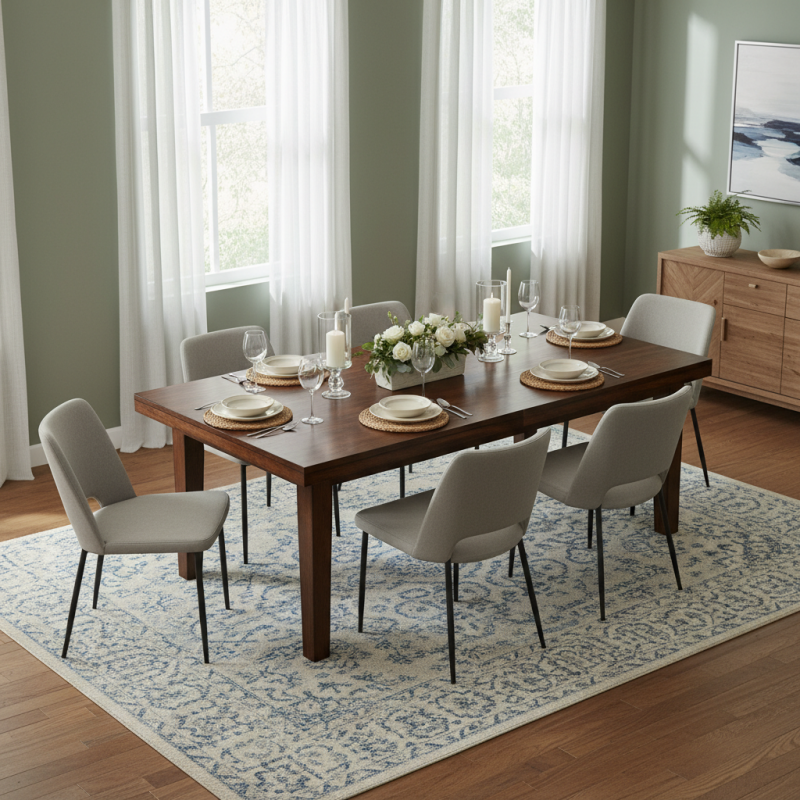
When selecting chairs, consider complementary colors and materials. For instance, pairing a dark wood table with light fabric chairs can create a pleasing contrast. A study published in the Journal of Interior Design suggests that visual harmony is crucial. Over 70% of participants prefer dining spaces that reflect a unified style. However, mixing styles can also add character. For example, combining modern chairs with a rustic table may speak to personal taste. Still, it requires careful consideration to maintain balance.
In terms of practicality, consider chair dimensions in relation to the table. Ideally, each chair should have about 24 inches of width for comfort. This allows diners to move freely. Additionally, the chair height should correspond with the table surface for optimal seating. Data indicates that 58% of users face discomfort due to poor height matching. Thus, testing various styles and arrangements is necessary to find the perfect fit.
FAQS
: You can fit roughly six chairs, but consider chair width for accuracy.
Allow 24 inches of space per chair to ensure comfort.
A typical dining chair seat height ranges from 18 to 20 inches.
Bulky chairs may look attractive but can crowd the table area.
Use tape to create outlines and see how chairs fit in the space.
Aim for at least 36 inches of space for comfortable movement.
Test how the chairs feel and ensure legroom is adequate for comfort.
Yes, mixing styles adds visual interest but be cautious of creating chaos.
Regular adjustments can help find the right balance for comfort and aesthetics.
Different table shapes require different spacing; round tables may allow closer seating.
Conclusion
When considering how many chairs can fit around a 72 inch dining table, it’s essential to choose the right chair size for comfort and accessibility. Typically, you can accommodate six to eight chairs around a table of this size, depending on the chair style and dimensions. Optimal arrangement styles, such as standard layouts or more informal settings, will maximize seating without compromising on space.
In addition to traditional chairs, alternative seating options like benches can provide flexibility and accommodate more guests. It's also important to consider design aesthetics, ensuring that the chair styles coordinate with the dining table to create a cohesive look. Attention to space considerations allows for ease of movement, ensuring a pleasant dining experience for everyone.

 Captain Living