How to Choose Between Glass and Wood Coffee Tables

Time:2026-09-26 Author:Isabella
0%

Choosing a coffee table seems simple until it changes how a room feels and functions. The right choice depends on more than appearance. Consider who uses the room, how much space the table needs, and what daily life might do to its surface.

Glass can keep a small living room feeling open, especially when daylight reaches the floor beneath it. But fingerprints, reflections, and visible dust can quickly become part of the view. Wood brings warmth and a familiar, grounded look. It may also show scratches, water rings, or changes in color over time. Neither choice is perfect.

So, what are the pros and cons of glass vs wood coffee tables? This guide compares their practical strengths, care needs, durability, and visual effect. It also considers details that are easy to overlook: sharp corners near a child’s play area, a heavy tabletop that is difficult to move, or a finish that clashes with nearby furniture. Measure the room and check the table’s height against your sofa before deciding. A few centimeters can matter more than expected.

Think about your habits, too. Do you set down hot mugs without a coaster? Do you want the room to feel airy, or more settled? There is no universal winner. Sometimes a table looks right in a showroom and feels awkward at home. A careful comparison can help you choose a piece that suits both your space and your everyday routine.
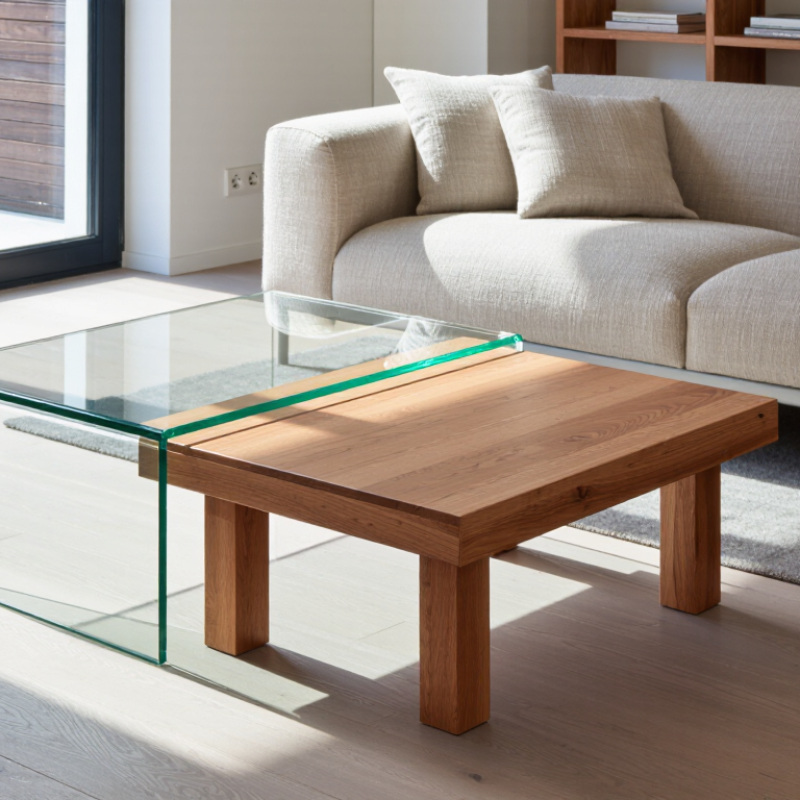
How to Choose Between Glass and Wood Coffee Tables

Key Differences Between Glass and Wood Coffee Tables

Glass coffee tables and wood tables differ most in how they shape a room and handle daily use. Clear glass lets rugs and flooring remain visible, so a compact living room may feel more open. It also reflects window light. Fingerprints, dust, and cup rings show quickly, though, and a glass top can feel cold beside a soft sofa. Tempered glass is a practical choice, but edges and support quality still deserve close inspection. Small detail, big difference.

Wood brings visual warmth and usually hides light dust better. Oak, walnut, and other hardwoods vary in grain and tone, while veneer can offer a similar look with less weight or cost. A solid wood top may develop marks from keys or mugs; some owners like that lived-in surface, while others find it frustrating. Finish matters. A sealed surface is easier to wipe than unfinished wood, but no finish is invulnerable.

Consider the room, not just the material. Glass can suit a narrow space, yet it may be less forgiving around active children or pets. Wood feels steadier and can soften a room with stone floors, but a bulky design may crowd the walkway. Measure the path around the table and check how the surface looks in daylight. Personal taste can change after a few weeks of cleaning. That part is easy to underestimate.

Assessing Durability, Safety, and Everyday Use

Durability starts with the room, not the catalog. Glass resists stains and does not absorb spilled coffee, but fingerprints and edge chips show quickly. Check for smooth, protected edges and a stable base. Wood hides smudges better, though water rings and scratches can remain visible. The USDA Forest Products Laboratory’s Wood Handbook explains that wood changes dimensions as moisture shifts. Movement becomes important below about 30% moisture content, with species and grain affecting the amount.

For glass, ask whether the top is safety glazing, rather than relying on a sales description. ANSI Z97.1 includes impact classifications tested at 18 and 48 inches. It addresses glazing, not a coffee-table guarantee. Request product documentation, and remember that tempered glass can still break; treatment changes how it breaks, not whether it can break.

Daily routines may decide it. With toddlers, pets, or tight walkways, rounded corners and a lower, heavier table may reduce bumps and tipping. Glass keeps a small room visually open, while wood feels warmer under forearms and quieter when keys land. Neither material stays pristine. Measure the walking path, then consider who wipes spills and whether coasters actually get used.

Comparing Cleaning Needs and Long-Term Maintenance

Glass coffee tables show fingerprints, dust, and dried water spots quickly, especially near a sunny window. A microfiber cloth and mild glass cleaner usually remove everyday marks. Avoid rough pads, which can scratch some finishes. Check the edges and joints, too; crumbs collect there. Glass is nonporous, but it is not maintenance-free.

Wood needs gentler, more regular care. Wipe spills promptly with a soft, slightly damp cloth, then dry the surface. Standing water can leave marks, while heat may affect the finish. Dust with the grain when possible. Over time, sunlight can change wood’s color, and some finishes may need repair. The exact care depends on the wood and coating, so the maker’s care instructions matter. It is easy to assume all wood behaves alike; that assumption can cost you later.

Tips: For glass, keep a clean microfiber cloth nearby and inspect for chips or loose fittings. For wood, use coasters and avoid soaking the surface. Test any cleaner in a hidden spot first. If you dislike frequent wiping, glass may frustrate you; if you worry about water rings, wood may require more attention than expected.

Matching Table Materials to Room Size and Decor

A coffee table should fit the room before it matches a color scheme. Measure the clear floor area and leave roughly 16 to 18 inches between the table and seating, when the layout allows. In a compact room, a glass top can preserve sightlines and make a bulky sofa feel less dominant. Small rooms need air. But glass shows fingerprints, crumbs, and reflected window glare, so it may not feel effortless in daily use.

Wood adds visual weight and warmth, which can anchor a large, open room or soften a space with tile and metal finishes. Check the table’s scale against the sofa: a length near one-half to two-thirds of the sofa often looks balanced. Pale wood can sit quietly beside light walls; darker grain creates stronger contrast. That matters. Still, a heavy wood table may crowd a narrow walkway, even when its finish is beautiful.

Use nearby materials as clues, not rules. A glass table can echo a slim lamp base or open shelving, while wood can repeat a floor tone or chair legs. Avoid matching every wood surface exactly; slight differences in grain and color can look more natural. Room photos can make a table seem smaller than it is, so tape its outline on the floor before buying. It is a little fussy, but helpful. Check how sunlight lands on the top at the time you usually sit there.

How to Choose Between Glass and Wood Coffee Tables - Matching Table Materials to Room Size and Decor

Room or Buying Consideration Glass Coffee Table Wood Coffee Table Practical Match
Small or visually crowded room A clear top lets more of the floor and rug remain visible, which can make the room feel more open. A solid top adds visual weight, especially when the table is dark or bulky. Consider glass with a slim frame and rounded corners; choose a compact size that leaves clear walking paths.
Large or open-plan living room A lightweight-looking design can suit a minimal layout but may feel undersized if its footprint is too small. A substantial wood table can anchor a large seating arrangement and add warmth. Either material can work. Match the table’s scale to the sofa and seating group rather than choosing by room size alone.
Table-to-sofa proportions The same proportion guidelines apply; transparent glass does not make an overly large table easier to navigate. A solid table can look especially dominant if it is longer or deeper than the seating area can accommodate. A common starting point is a table about one-half to two-thirds the sofa’s length. Leave roughly 14–18 inches between the table and seating where space allows.
Sofa-seat height Glass does not change the height needed for comfortable reach. A thick or visually heavy top can make a high table feel more imposing. Aim for a tabletop near the sofa-seat height or about 1–2 inches lower; check the actual furniture measurements before buying.
Decor style Pairs naturally with contemporary, minimalist, and light, airy interiors; the frame and finish influence its overall character. Adds visible grain and a warmer, more grounded feel; wood tone and shape can suit both traditional and modern rooms. Choose the material that balances the room’s existing textures, finishes, and visual weight.
Cleaning and everyday marks Fingerprints, dust, and smudges can be noticeable; glass usually needs regular wiping with a suitable glass cleaner or soft cloth. Dust and spills are visible too. Cleaning methods depend on the finish; standing liquid can damage some wood finishes. For either material, follow the care instructions and use coasters. Choose based on which routine best fits your household.
Children, pets, and safety Edges and breakage risk deserve particular attention. Tempered glass is designed to break into smaller, less sharp pieces than ordinary annealed glass, but it is not unbreakable. A solid top avoids a breakable glass surface, but sharp corners and a heavy table can still pose hazards. For active households, consider rounded corners, stable construction, and an appropriate safety glass specification if choosing glass.
Storage needs A clear top keeps items in view; models with shelves can add storage while preserving some visual openness. Drawers, shelves, and lift-top designs can conceal or organize everyday items. Choose wood or a mixed-material design if concealed storage is a priority; compare the actual usable storage dimensions.
Quick decision guide Best when you want a lighter visual footprint and are comfortable keeping the surface clean and taking care around the glass. Best when you want warmth, a more substantial look, or practical storage options. Measure first, check clearances, and select a shape and finish that suit the room’s layout and everyday use.

Choosing the Best Material for Your Household

Choosing a coffee table starts with the rhythms of your household, not a showroom photo. Glass keeps a small room visually open and lets a rug show through. It also reveals fingerprints, crumbs, and dust quickly. Dust shows quickly. In homes with young children or busy pets, check for rounded edges and a stable base. Tempered glass is a safer option, but it can still chip or break after a hard impact. I would not choose it just because it looks lighter.

Wood often feels warmer and hides everyday marks better, especially in a busy living room. But its finish matters: water rings, sunlight, and rough play can leave lasting changes. A sealed surface is easier to wipe, while softer wood may dent under toys or chair legs. Solid wood can often be refinished, though that takes time and skill; not every household wants another maintenance task. Consider who uses the room and whether drinks often sit on the table. I sometimes give too much weight to easy cleaning; comfort and safe movement matter just as much. Measure the walking space before choosing either material.

Glass vs. Wood Coffee Tables: Material Density

A useful household consideration is how heavy the material may be to move. Soda-lime glass has a typical density of about 2,500 kg/m³. Wood varies by species and moisture content; 600 kg/m³ is shown as a representative reference value, not a universal figure.

Density describes the material itself, not the finished table’s total weight. Table size, frame design, thickness, and construction also affect how easy it is to move.

FAQS

Which material is easier to keep clean?

Glass wipes clean with a microfiber cloth and mild cleaner, but fingerprints and water spots show quickly. Wood hides smudges, yet spills need prompt attention.

Can tempered glass still break?

Yes. Tempering changes how glass breaks; it does not make it unbreakable. Check product documents and inspect the edges for chips.

What should I check before choosing a glass table?

Ask whether the top is safety glazing, and look for smooth, protected edges and a stable base. A sales description alone may not tell you enough.

Is wood more durable than glass?

It depends on the room, finish, and daily use. Wood can show scratches and water rings; glass can chip at the edges. Neither stays pristine.

Which table is safer around toddlers or pets?

Rounded corners and a lower, heavier table may reduce bumps and tipping. These details matter more in tight walkways.

How should I care for a wood coffee table?

Wipe spills with a soft, slightly damp cloth, then dry the surface. Use coasters and avoid standing water or excess heat.

Does sunlight affect either material?

Sunlight can change wood’s color over time. Glass may show dust and dried water spots more clearly near a sunny window.

How can I choose based on my daily routine?

Measure the walking path and consider who cleans spills. If you dislike wiping fingerprints, glass may frustrate you. Coasters help, though people forget them.

Conclusion

Choosing between glass and wood coffee tables depends on how you use your living room and the look you want to create. When considering what are the pros and cons of glass vs wood coffee tables, glass stands out for its light, open appearance and ability to make a small room feel more spacious. It can be easy to wipe clean, but fingerprints and smudges may show, and its hard surface calls for care in busy households. Wood offers warmth, a grounded feel, and a range of natural styles, though it can be susceptible to scratches, spills, or wear without regular attention.

Think about everyday use, household needs, and long-term maintenance before deciding. A sturdy wooden table may suit a family room that sees frequent activity, while glass can complement a compact or airy space. The right choice is the material that balances durability, cleaning effort, room size, decor, and comfort for everyone at home.

Isabella

Isabella

Isabella is a dedicated marketing professional with a sharp focus on driving brand growth and engagement through strategic content creation. With an extensive background in digital marketing, she combines her passion for storytelling with her keen understanding of industry trends to deliver......