How to Choose the Perfect Dining Table Size for Your Room?

Time:2026-04-13 Author:Mason
0%

Choosing the right dining table size for your room can be a game changer. According to renowned interior designer Sarah Mitchell, "A well-chosen table invites joy and creates connection." The perfect table makes mealtime more enjoyable, ensuring comfort for all your guests. However, finding that ideal fit isn’t always straightforward.

Consider the dimensions of your space. A large table can overwhelm a small dining area. Conversely, a tiny table might feel lost in a grand room. Think about your lifestyle, too. Do you often host gatherings? A bigger table may be necessary. Yet, if your family is small, a compact design can add intimacy.

Reflect on the balance between size and style. You want aesthetics without sacrificing functionality. Take time to measure your space carefully. Remember, the right dining table can transform your room into a welcoming haven. Embrace the challenge and be prepared to make adjustments as needed. How to choose the right dining table size for your room requires thought, but the right choice brings lasting joy.
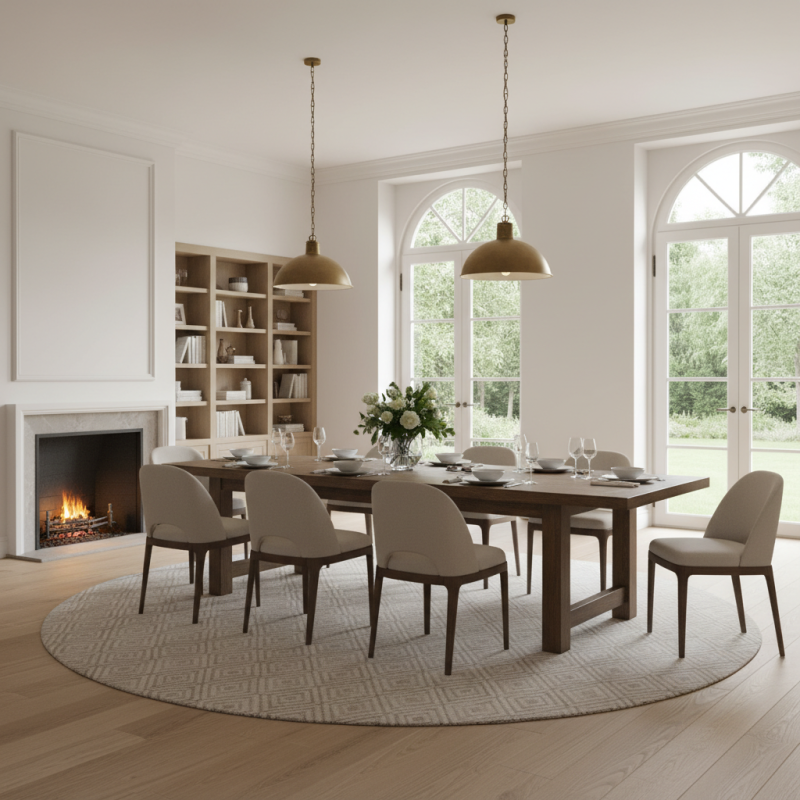
How to Choose the Perfect Dining Table Size for Your Room?

Understanding Standard Dining Table Sizes and Their Dimensions

Choosing the right dining table size is crucial for both aesthetics and functionality. Understanding standard dining table sizes can streamline this process. According to industry reports, the average dining table dimensions vary widely. Common sizes include 60 inches long for a rectangular table, seating up to six people comfortably. A round table measuring 48 inches can also accommodate six, enhancing intimacy.

When measuring your space, allow at least 36 inches between the table and the walls or furniture. This distance ensures easy movement around your dining area. Many homeowners overlook this step, leading to cramped spaces that diminish the dining experience.

Tip: Visualize the layout before purchasing. Use painter’s tape to outline the table dimensions on your floor. This method helps you see how it will fit and flow with your room.

In smaller spaces, try a drop-leaf table. When expanded, it offers more dining surface. Contract it when not in use. This versatility is a game-changer in tight areas. Remember, proportions matter. A large table in a small room can dominate the space, making it feel cramped.

Assessing Your Dining Room Space: Measuring for Optimal Fit

When assessing your dining room space, accurate measurements are crucial for an optimal fit. Start by measuring the length and width of the room. Consider how you want to use the space. This includes areas for walking and serving. Look for natural pathways, especially between the dining table and walls or furniture. A crowded space can feel uncomfortable.

Tips: Leave at least 36 inches between the table and walls. This distance allows for easy movement. If you plan to add chairs, factor in extra space. Remember, a snug fit can limit the table's use.

Next, think about the shape of your table. Round tables can be great for smaller rooms. They allow for easier movement. Rectangular tables are often better for larger spaces. They can provide more seating options. Finding balance in size and shape will enhance the aesthetics of your dining area.

Tips: Use painter's tape to outline the table's size on the floor. This visual aid helps you understand the space better. If your room feels cramped, consider resizing your vision. Sometimes, less is more when it comes to comfort.

Dining Table Size Recommendations Based on Room Dimensions

Considerations for Seating Capacity and Comfort Around the Table

Choosing the right dining table size is crucial for both aesthetics and functionality. The seating capacity and comfort are key factors in this decision. A table that is too small can lead to cramped spaces. Conversely, a table that's excessively large may make the room feel sparse.

To determine the optimal size, consider the number of people you regularly host. General guidelines suggest allowing at least 24 inches of space per person at the table. This ensures everyone feels comfortable. Additionally, leave at least 36 inches between the table and the walls for easy movement.

Think about your lifestyle. Do you often have guests over? If so, a larger table may be beneficial. On the other hand, a smaller household might need less seating. Reflect on these aspects. The goal is to create an inviting environment without overcrowding your space. Ultimately, balance functionality with personal style to achieve a harmonious dining area.

Exploring Different Dining Table Shapes and Their Spatial Impact

When choosing a dining table, shape matters significantly. Round tables promote conversation. They create a warm, inviting atmosphere. If your space is tight, a round table can fit well without sharp corners. However, they may not accommodate as many guests as other shapes.

Rectangular tables are the most versatile. They can serve large gatherings and everyday meals. Their elongated shape maximizes space, fitting comfortably in narrow rooms. Still, they can create distance among diners. It’s crucial to consider how your family interacts during meals. A rectangular table might not foster closeness.

Square tables are less common but delightful. They work well in small spaces, creating a cozy feel. They allow for a more intimate setting. However, they may limit seating options. The table’s proportion to the room is essential. You want diners to have enough room to move comfortably. Reflect on how you want your dining area to function. Your table choice shapes the experience.

How to Choose the Perfect Dining Table Size for Your Room? - Exploring Different Dining Table Shapes and Their Spatial Impact

Dining Table Shape Recommended Seating Capacity Ideal Room Size (sq ft) Spatial Impact
Rectangular 6-8 150-200 Best for narrow spaces, creates a formal look
Round 4-6 100-150 Encourages conversation, suitable for small to medium rooms
Square 4-6 100-150 Fun and informal, works well in cozy spaces
Oval 6-8 150-200 Softens the ambiance, allows more versatile seating
Rectangle with Extension 8-10 200-300 Great for gatherings, adjustable size for flexible spaces

Design Trends: Aligning Table Size with Room Aesthetics and Functionality

Choosing the right dining table size is crucial for functionality and aesthetics. A table that feels cramped or too spacious can disrupt the harmony of your room. Consider the dimensions of your space. A large table in a small room can overwhelm the area, making it feel crowded. Conversely, a small table in a vast setting risks losing intimacy.

Design trends shift over time, and current styles favor harmonious proportions. Round tables often encourage conversation in smaller spaces, while rectangular tables can enhance the functionality of larger dining areas. Think about the number of guests you’ll typically host. An 8-person table might seem ideal for occasional gatherings but could dominate a daily-use area.

Be mindful of your room's flow. A table should not obstruct pathways or entrances. Measure distances between the table and walls or other furniture. Often, people overlook the importance of chair space. Each chair needs space to pull out comfortably. Balancing aesthetics with practicality creates a space that feels planned yet inviting. Remember, even the best plans can evolve. Reflection is key to achieving that perfect balance.

FAQS

: How should I measure my dining room space?

: Start by measuring the length and width of the room. Pay attention to areas for walking and movement.

What is the recommended space to leave around the dining table?

Leave at least 36 inches between the table and walls. This allows for comfortable movement.

What table shape works best for small rooms?

Round tables are ideal for small spaces. They fit well without sharp corners and promote conversation.

How do rectangle tables affect dining experience?

Rectangular tables suit large gatherings but can create distance. They might not foster closeness during meals.

What should I consider when choosing a dining table size?

Match table size with room dimensions. A large table in a small room can feel cramped, while a small one may lack intimacy.

How can painter's tape help during table selection?

Use painter's tape to outline the table's size on the floor. This provides a visual aid for better understanding of space.

Why is chair space important?

Each chair needs room to pull out. Overlooking this can limit movement and comfort around the table.

How do design trends influence dining table choices?

Current trends favor harmonious proportions. Tables should fit the space, enhancing both functionality and aesthetics.

What role does reflection play in designing a dining area?

Reflection helps assess comfort and flow. It’s important to re-evaluate choices for a balanced dining experience.

Can changing my table shape alter my dining experience?

Yes, the table’s shape can change the dynamics of meals. It affects conversation and the overall atmosphere of the dining area.

Conclusion

When it comes to how to choose the right dining table size for your room, understanding standard dining table sizes and their dimensions is crucial. This involves measuring your dining space accurately to ensure an optimal fit, taking into account the distance needed for comfortable movement around the table. Furthermore, it's essential to consider seating capacity to accommodate your family and guests without compromising comfort.

Additionally, the shape of the dining table can significantly influence the spatial dynamics of your room. Round tables may offer a more casual atmosphere, while rectangular tables can create a more formal setting. Finally, aligning table sizes with current design trends helps to enhance the aesthetics and functionality of your dining area, making it both stylish and practical for everyday use.

Mason

Mason

Mason is a seasoned marketing professional with a deep expertise in the company's offerings and a passion for driving brand awareness. With a strong background in digital marketing strategies, he has an innate ability to connect with diverse audiences and effectively communicate product benefits.......