Back pain is a prevalent issue affecting millions globally. According to the World Health Organization, nearly 80% of adults experience back pain at some point in their lives. Many of these individuals seek solutions to alleviate their discomfort. This is where the question arises: why are ergonomic accent chairs better for back pain?
Ergonomic chairs are designed to support the body's natural posture. They help distribute body weight evenly, reducing strain on the spine. A study published in the Journal of Physical Therapy Science indicates that using ergonomic seating can reduce the incidence of back pain by 50%. These chairs incorporate adjustable features that cater to individual needs and preferences.
Relying solely on traditional seating can exacerbate back pain. Lack of support often leads to poor posture, resulting in long-term discomfort. Ergonomic accent chairs offer a promising alternative, combining aesthetic appeal with functional design. Their innovative features underscore the importance of proper seating in maintaining spinal health. While they aren't a one-size-fits-all solution, the insights surrounding their benefits illuminate a path toward better back health.
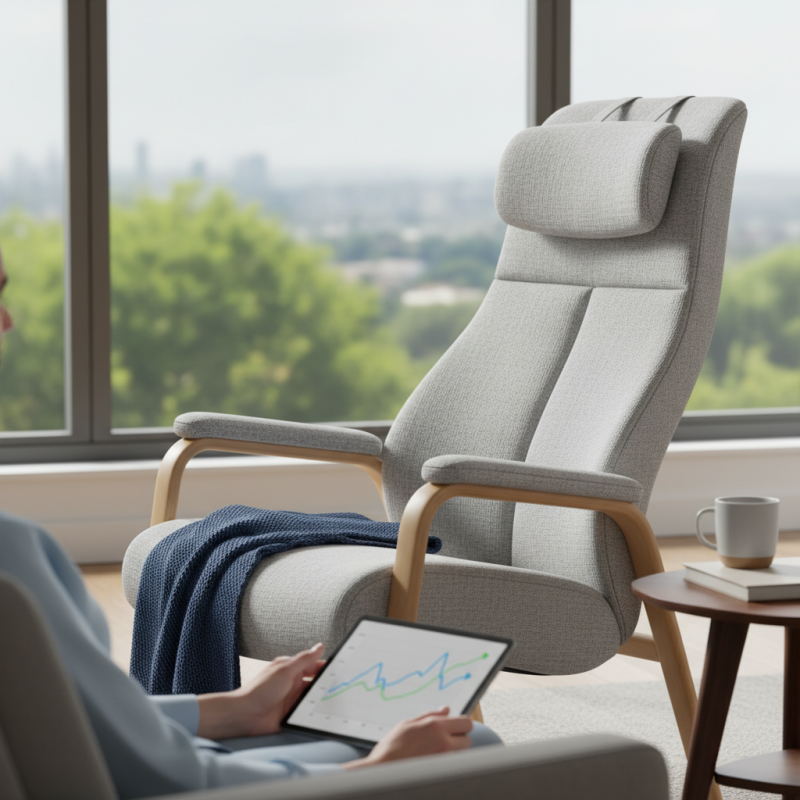
Ergonomics plays a crucial role in chair design, especially for those suffering from back pain. A well-designed ergonomic chair promotes proper posture and supports the natural curve of your spine. When you sit correctly, it alleviates pressure on your back. That pressure, when released, can lead to significant pain relief over time.
Incorporating features like adjustable lumbar support is key. This allows you to customize the support for your lower back. Many people rush into chairs without considering how these adjustments affect comfort. The wrong fit can exacerbate existing issues. Additionally, chair height and armrest positions can further influence your overall sitting experience. Not everyone recognizes these factors.
Shared experiences highlight the power of good design. Many have noted significant changes in pain levels after switching to ergonomic chairs. However, not every chair will suit every individual. It’s essential to trial different options to find the right support system. As you reflect on your experience, you may notice subtle cues from your body’s response to various seating positions. Understanding these signals is part of the journey toward comfort.
Ergonomic accent chairs are designed with the user's well-being in mind. One of their key features is lumbar support, which encourages proper spinal alignment. According to a study published in the Journal of Physical Therapy Science, maintaining a natural spinal curve can significantly reduce back pain. These chairs often include contoured backrests that cradle the lower back, providing essential support that traditional chairs lack.
Another important aspect is adjustable seat height. This feature allows users to find the perfect sitting position that matches their body proportions. The American Chiropractic Association emphasizes that seated height adjustments can lead to healthier posture and reduced strain on muscles. In fact, they report that an ergonomic seating arrangement can prevent chronic pain by promoting better circulation and reducing pressure on the spine.
Additionally, some ergonomic accent chairs come with armrests that are adjustable. This helps alleviate strain on the shoulders and neck, promoting a more relaxed seating experience. According to research from the National Institute for Occupational Safety and Health, proper arm positioning can enhance comfort and improve focus during extended periods of sitting. While these features are beneficial, not all users may find them effective, highlighting the importance of personal testing and adjustment.
| Feature | Description | Benefit for Back Pain |
|---|---|---|
| Lumbar Support | Provides targeted support to the lower back. | Helps maintain natural spine curvature. |
| Adjustable Height | Allows customization of chair height. | Promotes proper leg and spine alignment. |
| Padded Seat | Soft cushioning for comfort. | Reduces pressure on the lower back. |
| Contoured Design | Shaped to fit the natural curves of the body. | Enhances comfort and support. |
| Material Quality | Durable and breathable fabrics used. | Keeps users cool and comfortable. |
| Swivel Base | Allows for easy movement without straining. | Reduces twist and strain on the back. |
| Armrest Support | Well-placed armrests for additional support. | Eases tension from shoulders to lower back. |
Choosing the right seat height and depth is crucial for back health. A chair that is too high can cause your feet to dangle. This can create pressure on your lower back and disrupt circulation. Research from the American Chiropractic Association highlights that an improper seating position can lead to chronic pain over time.
The ideal chair should allow your feet to rest flat on the floor. This helps distribute your weight evenly. Likewise, the depth of the seat matters. A seat that is too deep may force you to lean back, straining your spine. According to a study published in the Journal of Physical Therapy Science, lumbar support can reduce back pain by up to 40% when combined with the right seat dimensions.
However, not all ergonomic chairs fit everyone. Individual body types vary greatly. What works for one person may not work for another. This makes it essential to experiment with different settings. Adjusting the height and depth can lead to significant improvements in comfort. Listening to your body is vital in finding the right fit. By being mindful of these details, you can create a more supportive and pain-free seating experience.
When selecting an ergonomic accent chair, materials and cushioning play pivotal roles in alleviating back pain. An article from the American Chiropractic Association states that improper seating can lead to long-term strain on the back. The cushion quality directly impacts posture and comfort. A chair with high-density foam can provide necessary support, as it conforms to body shape without losing its structure.
Additionally, the fabric type matters. Breathable materials allow for airflow, reducing sweat and promoting comfort during prolonged usage. A study published in the Journal of Ergonomics revealed that individuals seated on memory foam experienced a 30% reduction in discomfort compared to those on traditional foam. This highlights how effective cushioning can change perceptions of comfort, influencing overall wellness.
However, not all ergonomic designs mitigate pain effectively. Some chairs may lack adequate lumbar support. If the curvature does not align with the spine's natural curve, users may experience more strain. This complexity suggests that choosing an ergonomic chair requires careful consideration beyond mere aesthetics. Personal trials may lead to better choices. It can be challenging to find the right chair that suits individual needs.
Choosing an ergonomic accent chair can significantly benefit those struggling with back pain. Movement and flexibility are crucial elements in ergonomic seating solutions. These chairs are designed to promote active sitting, allowing subtle movements throughout the day. For instance, a chair that tilts or swivels encourages rotation of the spine, which can relieve tension.
Flexibility in design is another key feature. Many ergonomic chairs offer adjustable lumbar support and armrests. This adaptability helps maintain proper alignment while sitting. Users can customize the chair to fit their unique body shape. However, not all flexibility is beneficial. Some chairs may allow too much movement, leading to instability or discomfort if misused.
Many people overlook the importance of incorporating movement into their sitting habits. Sitting still for long hours can exacerbate back pain. To counter this, integrating small movements such as shifting weight from one hip to the other can make a difference. It’s vital to acknowledge that each individual may need to experiment with different seating options. What works beautifully for one person may not suit another’s needs. Finding the right balance is essential for overall comfort and pain relief.
: Ergonomic accent chairs support user's well-being and promote proper spinal alignment.
Lumbar supports encourage a natural spinal curve, which can significantly reduce back pain.
It allows users to find their perfect sitting position, leading to healthier posture and reduced muscle strain.
Yes, adjustable armrests help alleviate strain on shoulders and neck for a better seating experience.
Flexibility allows customization for a user’s unique shape, maintaining proper alignment while sitting.
Integrating movement, like shifting weight, can help counteract back pain from prolonged sitting.
Some chairs may allow too much movement, leading to instability or discomfort if not used correctly.
No, individual testing is important, as what suits one person may not suit another's needs.
Yes, they promote better circulation and reduce pressure on the spine, helping to prevent chronic pain.
Many people think still sitting is fine, but it can worsen back pain over time.
Ergonomic accent chairs are specifically designed to alleviate back pain, making them a popular choice for those seeking comfort and support. The importance of ergonomics in chair design cannot be overstated; it emphasizes features that promote spinal alignment, which is essential for reducing strain during prolonged sitting. Key attributes like adjustable seat height and depth play a crucial role in ensuring optimal posture, directly impacting overall back health.
Moreover, the materials and cushioning used in ergonomic accent chairs contribute significantly to minimizing discomfort. High-quality, supportive padding helps reduce back strain, while the integration of movement and flexibility in these chairs encourages dynamic seating positions. Thus, to answer the question of why are ergonomic accent chairs better for back pain, it’s clear that their thoughtful design promotes better posture, comfort, and overall spinal health, distinguishing them as an effective solution for those battling back issues.

Captain Living