How to Identify High Quality Solid Wood Furniture for 2026

Time:2026-06-26 Author:Mason
0%

Identifying high-quality solid wood furniture can be a daunting task. With the rise of mass-produced options, discerning genuine craftsmanship is essential. Expert furniture designer Mark Thompson states, "The secret lies in understanding the wood itself." This insight offers a starting point for consumers seeking durability and elegance in their purchases.

In 2026, the market for solid wood furniture is expected to grow. As you explore your options, focus on the finer details. Pay attention to the wood grain and texture. These elements reveal much about the quality. Next, examine the joints and construction. Handcrafted pieces often showcase intricate techniques that signify superior workmanship.

However, not every beautiful piece guarantees high quality. It's important to question supply chains and sourcing. Sometimes, a stunning finish can hide underlying flaws. Genuine high-quality furniture should blend aesthetics with practicality. Reflect on what you want from your investment. In doing so, you can better navigate the world of solid wood furniture. Understanding how to identify high-quality solid wood furniture will ultimately lead to wiser choices.
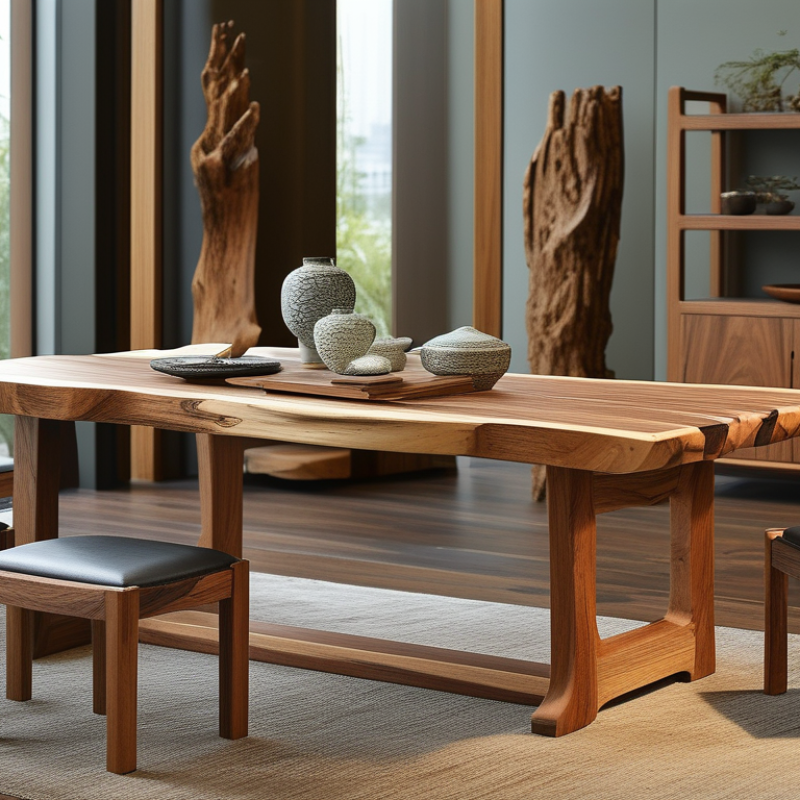
How to Identify High Quality Solid Wood Furniture for 2026

Understanding the Different Types of Solid Wood Used in Furniture

When identifying high-quality solid wood furniture, understanding the types of wood is crucial. The most commonly used types include oak, maple, cherry, and walnut.

Solid oak is renowned for its strength and durability. According to industry reports, oak furniture can last over 20 years with proper care. However, its grain patterns can sometimes show imperfections, which may detract from its appeal.

Maple is another popular choice. It is characterized by a fine, uniform grain. Furniture made from maple is often brighter and more contemporary. However, it can dent more easily than oak, requiring cautious handling.

Cherry is celebrated for its rich color and smooth texture. It darkens beautifully over time, creating a warm aesthetic. Yet, humidity fluctuations can lead to warping if not properly maintained.

Walnut stands out for its deep, rich tones and intricate grain patterns. This wood is often considered a luxury option. Tools like moisture meters can help assess wood quality.

A report by the American Home Furnishings Alliance highlights that nearly 30% of consumers are unaware of these essential details. Hence, understanding the wood type can lead to better buying choices and longer-lasting investment.

Key Characteristics of High-Quality Solid Wood Furniture

When choosing high-quality solid wood furniture, there are several key characteristics to consider. Authentic solid wood should feel dense and robust. Check the grain patterns; they should be natural and uniform, indicating quality craftsmanship. Avoid pieces with synthetic fillers or veneers. Real wood is unique, and minor imperfections often enhance its appeal.

Look closely at the joinery techniques. Dovetail joints and mortise-and-tenon constructions are signs of durability. These methods offer strength that screws or nails cannot match. The finish is also crucial. A quality piece should have a smooth, even finish, enhancing the wood's natural beauty while ensuring protection.

Remember that the wood type matters. Hardwoods like oak, walnut, or cherry are typically more durable than softwoods. However, even softwoods can be beautiful if well-crafted. It's worth noting that some modern styles may prioritize aesthetics over longevity. This shift can lead to pieces that lack genuine structural integrity. Understanding these aspects can help guide your purchasing decisions.

Key Characteristics of High-Quality Solid Wood Furniture (2026)

This chart illustrates the key characteristics of high-quality solid wood furniture to look for in 2026. Durability, aesthetics, sustainability, craftsmanship, and air quality are crucial factors that affect the overall quality and desirability of solid wood furniture.

Identifying Superior Craftsmanship in Solid Wood Designs

Identifying superior craftsmanship in solid wood furniture is crucial for anyone investing in quality pieces. High-quality furniture should feature hardwoods like oak, maple, or walnut. These materials are not only durable but also age beautifully. According to a recent industry report, 85% of consumers value longevity when choosing furniture. However, consumers often overlook the importance of joinery techniques, which significantly affect a piece's strength and longevity.

Look for furniture that employs traditional joinery methods, such as mortise and tenon or dovetail joints. These techniques indicate meticulous craftsmanship and a commitment to quality. The American Society of Furniture Designers notes that furniture with these joinery methods shows a 30% improvement in durability. Additionally, inspect the finish; it should be smooth and even without inconsistencies. Some manufacturers cut corners, leading to uneven surfaces or poor-quality finishes.

Consider the weight of the furniture as well. Heavier pieces are often made from solid wood, while lighter counterparts may use less dense materials or plywood. Solid wood typically weighs more, ensuring sturdiness. Yet, not all heavy wood furniture is well-crafted. Watch for warning signs like gaps or misaligned parts. These flaws can reveal a lack of attention to detail, undermining the piece's overall integrity.

How to Identify High Quality Solid Wood Furniture for 2026

Feature Description Quality Indicator
Wood Type Hardwoods like oak, maple, and walnut Density and Durability
Joinery Dovetail, mortise and tenon joints Strength and Longevity
Finish Natural oils, lacquers, or varnishes Protection and Aesthetics
Craftsmanship Attention to detail and skilled labor Quality Assurance
Sustainability Source from sustainable forests Environmental Responsibility

Evaluating Finishes and Treatments for Durability and Aesthetics

When evaluating finishes and treatments on solid wood furniture, look for quality that stands out. Polyurethane finishes provide excellent durability. They resist scratches and water damage, making them ideal for busy households. However, synthetic finishes can sometimes give an artificial look. It’s essential to balance durability with the natural aesthetic of the wood.

Natural oil finishes, like tung or linseed, enhance the wood grain beautifully. They penetrate deep into the wood, providing a warm, rich appearance. But these finishes require more maintenance. They need regular reapplications to keep the wood protected and looking fresh. This means investing more time and effort.

Consider the environmental impact of the finishes too. Water-based finishes are more eco-friendly and less toxic than solvent-based options. Yet, they might not offer the same level of protection. Weighing the aesthetic and durability options requires careful thought. Opting for a finish should match your style and maintenance willingness. Quality furniture deserves attention to detail, and finishes play a crucial role in its longevity.

Sustainable Sourcing: Ensuring Ethical Practices in Wood Furniture Production

Sustainable sourcing is key in today's furniture market. Ethically produced wood reduces ecological impact, ensuring healthier forests for future generations. Look for certifications that highlight responsible harvesting. These credentials show a commitment to sustainability and ethical practices.

When assessing solid wood furniture, examine the origin of the wood. Local sourcing often results in a lower carbon footprint, while imported wood might come from regions with lax environmental laws. Take time to investigate how the wood was sourced; transparency should be a priority in the manufacturing process.

Quality should not come at the expense of ethical considerations. Sometimes, beautiful pieces may have a hidden cost. It's essential to balance aesthetics with sustainability. Choose brands that prioritize both, creating a market demand for more sustainable practices. The journey towards high-quality furniture must include environmental consciousness.

FAQS

: What types of solid wood are commonly used in furniture?

: Common types include oak, maple, cherry, and walnut. Each type offers unique characteristics and benefits.

How long can oak furniture last?

Oak furniture can last over 20 years with proper care. However, grain patterns might show imperfections.

What are the characteristics of maple wood?

Maple features a fine, uniform grain and bright aesthetics. It can dent easily, so handle it carefully.

Why is cherry wood valued for furniture?

Cherry wood is appreciated for its rich color and smooth texture. It darkens over time, enhancing its warmth.

What should I look for in solid wood furniture?

Authentic solid wood should feel dense. Check for natural grain patterns and avoid synthetic fillers or veneers.

What joinery techniques indicate quality in wood furniture?

Look for dovetail joints and mortise-and-tenon constructions. These methods ensure durability unlike screws or nails.

How do finishes impact wood furniture?

Finishes can enhance aesthetics and protect the wood. Polyurethane offers durability while natural oils enhance grain beauty.

Are natural finishes easy to maintain?

Natural oil finishes require regular reapplications for maintenance. They provide beauty but demand more effort.

What environmental considerations should I think about?

Water-based finishes are eco-friendly but offer less protection. Balance aesthetics with environmental impact when choosing finishes.

How do modern styles affect furniture durability?

Some modern styles may prioritize aesthetics over longevity, leading to pieces lacking in structural integrity.

Conclusion

In "How to Identify High Quality Solid Wood Furniture for 2026," the article explores essential aspects of selecting premium solid wood pieces. It begins by detailing the various types of solid wood commonly used in furniture construction, highlighting their distinctive features. The discussion then shifts to the key characteristics of high-quality solid wood furniture, such as durability, grain patterns, and overall aesthetics.

Furthermore, it emphasizes the importance of recognizing superior craftsmanship in designs, which can be assessed through joinery techniques and finishes. Evaluating the finishes and treatments applied to the wood is crucial for ensuring both durability and visual appeal. Finally, the article addresses sustainable sourcing, advocating for ethical practices in wood furniture production. Overall, this guide serves as a valuable resource on how to identify high-quality solid wood furniture, promoting informed purchasing decisions for consumers in 2026.

Mason

Mason

Mason is a seasoned marketing professional with a deep expertise in the company's offerings and a passion for driving brand awareness. With a strong background in digital marketing strategies, he has an innate ability to connect with diverse audiences and effectively communicate product benefits.......