Top 10 Latest Trends in Sustainable Living Room Furniture?

Time:2026-06-29 Author:Mason
0%

In recent years, there has been a significant shift in how we approach home decor, especially when it comes to living room furniture. People are increasingly asking, "what are the latest trends in sustainable living room furniture?" This question reflects a growing awareness of environmental impact and personal choices in design. Sustainable furniture is not just a trend; it’s a lifestyle choice that prioritizes both the planet and health.

More consumers are leaning toward pieces made from reclaimed wood, recycled materials, and eco-friendly fabrics. These materials reduce waste and lower the carbon footprint. Although they may come with a higher price tag, many find value in their durability and unique aesthetics. Each piece tells a story, often stirring a sense of nostalgia or personal connection.

However, the journey to sustainable living is not without its complexities. Not all green products are created equal, and some may lack the quality or craftsmanship expected. It takes research and effort to ensure that purchases align with genuine sustainability principles. By exploring these latest trends, we can make more informed decisions and contribute to a healthier planet, all while enhancing our living spaces.
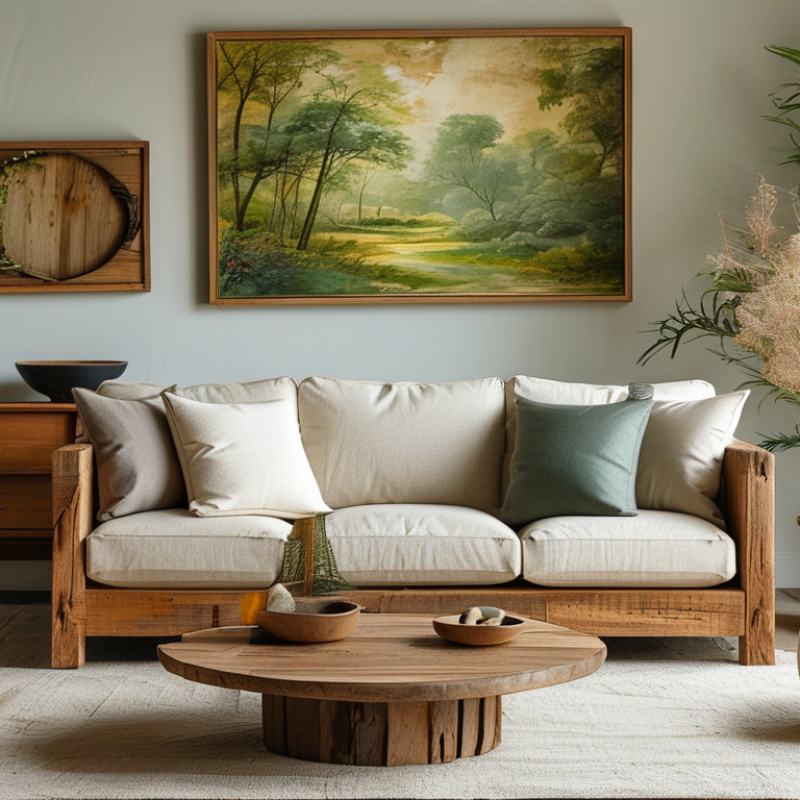
Top 10 Latest Trends in Sustainable Living Room Furniture?

Eco-Friendly Materials: Revolutionizing Living Room Furniture Choices

Eco-friendly materials are changing how we furnish our living rooms. Designers increasingly favor sustainable options like bamboo, reclaimed wood, and organic fabrics. These materials not only reduce waste but also create a warm and inviting atmosphere. Bamboo is fast-growing and requires less energy to process than traditional hardwoods. Its light color can brighten any space, providing a fresh, modern feel.

The trend toward recycled materials is also gaining momentum. Furniture made from repurposed elements contributes to a circular economy. This approach fosters creativity and individuality in design. While these options might sometimes feel less polished, they offer unique character and stories. Choosing recycled items sparks conversations about sustainability.

Consumers are becoming more conscious of their choices. However, some may struggle to find the perfect balance between style and sustainability. It’s essential to consider not only the aesthetics but also the life cycle of the products. Emphasizing eco-friendly materials in living room furniture choices leads to a healthier planet. The journey toward a more sustainable home requires reflection and continuous improvement.

Multi-Functional Furniture: The Rise of Versatile Design Solutions

The trend of multi-functional furniture is reshaping the living room landscape. As urban spaces shrink, consumers seek versatile design solutions. According to a 2022 report by the Furniture Industry Association, 65% of consumers prioritize functionality in furniture purchases. This rising demand leads to creative designs that merge comfort and usability.

Consider a sofa with a hidden storage compartment. It eliminates clutter while providing seating space. Multi-functional designs also include coffee tables that convert into dining tables. These innovations cater to the needs of both families and individuals living in smaller homes. However, not every design achieves the balance between style and functionality. Some pieces sacrifice aesthetics for utility, leading to a less desirable look in the living room.

Moreover, quality is key. A survey from the National Association of Home Builders found that 70% of buyers care about durability. Furniture should withstand everyday wear and prove sustainable over time. Yet, with such diverse options, making the right choice can be challenging. Some items may not last, prompting buyers to rethink their selections. Ultimately, the focus must remain on smart, practical, and attractive multi-functional furniture that adapts to evolving lifestyles.

Biophilic Design: Bringing Nature Indoors with Sustainable Pieces

Biophilic design is gaining traction in sustainable living space. This concept merges nature with interior design, creating a serene atmosphere. Furniture made from natural materials shines in this trend. Think wood, bamboo, and organic textiles. These materials not only look elegant but also enhance air quality by reducing toxins.

Incorporating plants into furniture designs is another attractive feature. For instance, coffee tables with built-in planters offer unique charm. They invite greenery into the home effortlessly. Natural light is vital, too; opting for light-colored fabrics and reflective surfaces can elevate brightness. Each piece should maintain a connection to nature, evoking a sense of tranquility.

Yet, challenges exist. Sustainable furniture can be pricier and harder to find. Homeowners must weigh aesthetics against budget constraints. Understanding the lifecycle of furniture helps guide mindful purchases. Investing in durable pieces may be more economical long-term. The goal is to create a harmonious space that nurtures well-being while being environmentally responsible.

Upcycling Trends: Transforming Old Furniture into New Treasures

Upcycling furniture has gained traction as a sustainable choice for modern living rooms. This creative practice not only reduces waste but also adds character to your home. A report from the Furniture Recycling Network highlights that around 10 million tons of furniture waste is generated in the U.S. each year. By upcycling, homeowners can transform old pieces into new treasures, catering to both style and sustainability.

Consider repurposing a wooden ladder as a unique bookshelf. It adds a rustic charm while serving a purpose. Fabric-covered items can be updated with eco-friendly paint or new upholstery. A simple change improves the look and extends the life of your furniture.

Tips: Look for local workshops that teach upcycling techniques. Engaging with experts can enhance your skills. Start small with minor projects, gradually building your confidence and creativity. Document your processes and share your journey. It not only inspires others but helps you reflect on your own growth in sustainable practices.

Smart Furniture: Integrating Technology for Sustainable Living Spaces

Smart furniture is becoming essential in sustainable living spaces. According to a recent industry report, around 67% of consumers prefer furniture that incorporates technology. This integration not only enhances functionality but also promotes eco-conscious choices. For instance, smart tables can monitor energy usage, and smart chairs can encourage better posture and health.

As we embrace technology in our homes, it’s vital to consider its impact on our environment. Although smart furniture might tempt you with its high-tech allure, not all products balance functionality and sustainability. Be cautious of over-engineered items that could end up creating e-waste.

Tips: Always check for certifications that ensure eco-friendly materials. Look for furniture that offers sustainable life cycles. Choose items that can be easily repaired or upgraded instead of disposed of. Thoughtful purchasing allows you to enjoy innovation without contributing to waste.

Top 10 Latest Trends in Sustainable Living Room Furniture

This chart represents the top trends in sustainable living room furniture based on recent market data. The trends include eco-friendly materials, multifunctional designs, and smart technology integration. Each trend reflects the growing consumer preference for sustainability in home furnishings.

FAQS

: What are eco-friendly materials?

: Eco-friendly materials include bamboo, reclaimed wood, and organic fabrics. They help reduce waste and promote sustainability.

Why is bamboo a popular choice for furniture?

Bamboo grows quickly and needs less energy to process. Its light color brightens spaces and adds a modern touch.

How do recycled materials contribute to furniture design?

Recycled materials promote a circular economy. They offer unique designs and spark conversations about sustainability.

Do eco-friendly materials compromise style?

Some options may feel less polished. However, they bring character and individuality to your home decor.

How can I upcycle furniture?

Upcycle by transforming old pieces into new ones. For example, use a wooden ladder as a bookshelf.

What should I consider when choosing sustainable furniture?

Consider the aesthetics and life cycle of the products. Striking a balance can be challenging but rewarding.

Can upcycling be a creative outlet?

Yes, upcycling adds personal character to your home. It also helps reduce waste and enhances your creativity.

Where can I learn about upcycling techniques?

Look for local workshops that teach upcycling. Engaging with experts can help refine your skills and confidence.

What benefits does upcycling provide?

Upcycling reduces waste and extends the life of furniture. It encourages reflection on your sustainable practices.

How can sharing my upcycling journey help others?

Documenting and sharing your process inspires others while allowing you to reflect on your growth in sustainability.

Conclusion

In recent years, the question of "what are the latest trends in sustainable living room furniture" has gained significant attention as consumers increasingly prioritize eco-conscious choices. One key trend is the use of eco-friendly materials, which revolutionizes how furniture is sourced and manufactured, reducing environmental impact. Multi-functional furniture also stands out, offering versatile designs that maximize space while maintaining sustainability.

Additionally, biophilic design principles are being embraced, allowing homeowners to integrate natural elements into their living spaces, fostering a connection with nature. Upcycling has emerged as a creative trend, where old furniture is transformed into unique pieces, promoting reuse and reducing waste. Lastly, smart furniture is on the rise, incorporating technology aimed at enhancing sustainability in living environments. Together, these trends reflect a growing commitment to environmentally-friendly practices in home décor.

Mason

Mason

Mason is a seasoned marketing professional with a deep expertise in the company's offerings and a passion for driving brand awareness. With a strong background in digital marketing strategies, he has an innate ability to connect with diverse audiences and effectively communicate product benefits.......