Choosing the right dining table size can drastically change your room’s ambiance. It influences both functionality and aesthetics. To understand how to choose the right dining table size for your room, consider your space and needs. A table that feels too big may overwhelm your room. Conversely, a small table may not accommodate your family or guests comfortably.
Take precise measurements before you shop. Also, consider the flow of movement around the table. Picture where chairs will fit. This process is often overlooked. Don't just focus on the table itself; think about how it integrates into your existing decor.
Selecting the perfect table is not just about dimensions. It involves understanding your lifestyle. Do you host often? Do you prefer intimate gatherings? Reflecting on these questions helps ensure you make a wise choice. Balancing scale, style, and function makes all the difference in your dining experience.
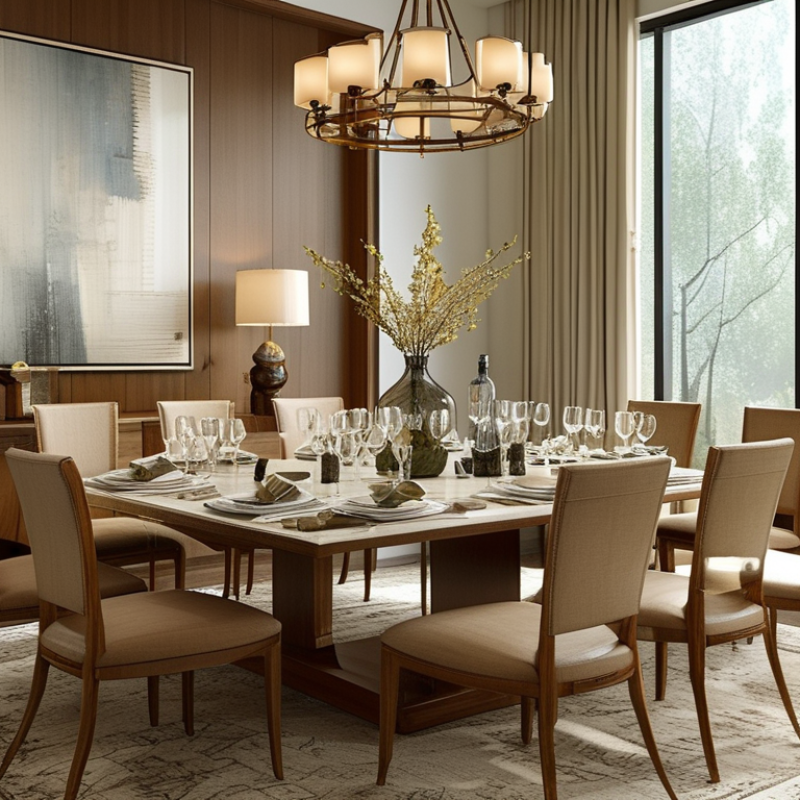
When selecting a dining table, understanding the shape is crucial. Rectangular tables are versatile, fitting nicely in long spaces. They often accommodate more diners, perfect for family gatherings. Round tables create intimacy, ideal for small spaces or cozy dinners. However, they might limit seating options. Square tables are a balance, suitable for square rooms but can feel cramped in larger areas.
Considering size alongside shape is essential. A table that is too large can overwhelm a room, making it feel cramped. Conversely, a small table in a large room may look lost. Leave at least 36 inches of space around the table for movement. It’s a common oversight that can cause discomfort during mealtime. Measure your area carefully before making a decision.
Reflect on your lifestyle, too. Do you host often? A larger table may be needed. Do you prefer casual meals? A smaller, round table might suffice. Tailoring the table choice to your needs ensures comfort and functionality in your dining space.
Assessing your dining space is crucial for finding the right table size. Start by measuring the dimensions of your dining area. A report from the National Furniture Association states that proper space can enhance dining experiences by 20%. Ensure there is enough room for movement, especially when chairs are pulled out.
Consider that a standard dining table seat is about 24 inches wide. Ideally, you need at least 36 to 48 inches around the table for comfortable circulation. A table that’s too large can overwhelm the space, making it feel cramped. Conversely, a small table may look lost in a vast room.
Think about the purpose of your dining area as well. Will it host large gatherings or intimate dinners? A 2022 survey indicated that 65% of homeowners prefer tables that can adapt to different occasions. Reflect on this flexibility while measuring. Balancing practicality and style is essential in creating a harmonious dining space.
This chart illustrates the recommended space requirements for different dining table sizes based on the number of people they accommodate. Understanding these dimensions can help ensure you choose the right table for your dining area.
When selecting a dining table, it's crucial to consider seating capacity. Think about how many people you typically host. Is it a family of four or do you frequently entertain guests? The number of diners influences the table size and shape. A round table can be cozy for small gatherings, while a rectangular table accommodates larger parties.
Imagine a scene where six friends gather for dinner. A table that comfortably fits six will enhance interactions. If the table is too small, it feels cramped. On the other hand, an excessively large table can lead to a disconnect. It’s about finding the balance between comfort and space.
Besides capacity, reflect on your space. Ensure enough room for chairs and movement. A table that’s too big may overwhelm a small room. A little reflection here is beneficial. While you may desire a grand setup, practicality matters. You want a table that invites conversation, not isolation.
When evaluating your dining style, it's crucial to define whether you prefer a formal or casual dining experience. For formal occasions, a larger table allows for multiple courses and elegant place settings. Picture a grand table adorned with fine china and an elaborate centerpiece. Such an arrangement requires ample space to not only seat guests but also facilitate movement and serving.
Conversely, casual dining has its own charm. A smaller, more intimate table invites conversation and warmth. Choose a round or square table for a laid-back feel. This setup is great for family meals or relaxed gatherings with friends. It fosters an easy-going vibe that encourages connection.
Tip: Measure your space first. A table should leave enough room for chairs and movement. A good rule is to allow at least three feet around the table. Also, consider your seating style. Will you use bulky dining chairs or streamlined options? Each choice affects the overall dimensions you need. Evaluating your lifestyle is key to finding that perfect fit.
When selecting a dining table, material and design play significant roles. Wood, glass, and metal each bring unique aesthetics. For instance, wooden tables provide warmth and character, perfect for cozy family dinners. A modern glass table offers elegance and a light feel, making spaces look bigger. However, glass can be fragile and may require extra care.
Design influences not only appearance but functionality. A round table fosters intimacy, while a rectangular table suits larger gatherings. The height and shape matter too. An ideal table fits the overall decor while serving your daily needs. Consider your space; overcrowding can lead to discomfort.
You may find it challenging to choose the right combination. Sometimes, materials clash with your existing furniture. Do you prefer a rustic look or something sleek? Reflect on your lifestyle. Will kids or pets be around? Balancing aesthetics and practicality is key to a successful dining area.
| Tip Number | Dimension Consideration | Material Type | Design Style | Recommended Shape |
|---|---|---|---|---|
| 1 | Length for 6-8 people: 72"-96" | Solid Wood | Modern | Rectangular |
| 2 | Small Spaces: 36"-48" | Glass | Minimalist | Round |
| 3 | Bar Height: 42" | Metal | Industrial | Square |
| 4 | Extended Family: 96"-120" | Reclaimed Wood | Rustic | Rectangular |
| 5 | Daily Use: 60"-72" | Laminate | Contemporary | Oval |
| 6 | Large Gatherings: 120"-144" | Ceramic | Eclectic | Rectangular |
| 7 | Narrow Spaces: 30"-36" | Acrylic | Futuristic | Rectangular |
| 8 | Multi-Purpose: 48"-60" | Plywood | Scandinavian | Round |
| 9 | Compact Units: 30"-38" | Vinyl | Retro | Square |
| 10 | Formal Dine-In: 72"-96" | Mahogany | Classic | Oval |
: Start by measuring the dimensions of your dining area. Ensure enough room for movement around chairs.
You need at least 36 to 48 inches around the table for comfortable circulation.
A large table can overwhelm a small space. A small table may feel lost in a large area.
Define if you prefer formal or casual dining. This affects table size and layout significantly.
Will it host big gatherings or intimate dinners? Flexibility in table size matters for different occasions.
Wood offers warmth, glass brings elegance, and metal adds a modern touch. Each has its own care needs.
Round tables foster intimacy. Rectangular tables suit larger gatherings. Choose based on your usual dining style.
Overcrowding your space is a mistake. Reflect on existing furniture compatibility and overall room balance.
Consider if kids or pets will be around. That affects material choices and overall design needs.
An appealing table should also meet your functional needs. Comfort and style must coexist in your dining area.
Choosing the right dining table size for your room involves several key considerations. First, it's essential to understand the different shapes and sizes of dining tables available, as this will affect the overall flow and functionality of your dining space. Measuring your dining area accurately is crucial, ensuring there is enough room for movement around the table without feeling cramped.
Next, assess your seating capacity needs. Consider how many people typically dine together, as this will help determine the table size that best accommodates your gatherings. Additionally, think about your dining style—whether you prefer a formal setting or a more casual atmosphere—as this will influence your choice. Lastly, factor in material and design preferences, ensuring the table's aesthetics align with your overall home decor. By carefully considering these aspects, you'll know exactly how to choose the right dining table size for your room.

Captain Living