When bringing a new fabric sofa into your home, the joy can be quickly shadowed by concerns about your pets. Studies indicate that 68% of U.S. households own pets, with dogs and cats being the most common. With such a significant number of furry friends around, knowing how to pet-proof your new fabric sofa is essential. Research from the American Society for the Prevention of Cruelty to Animals reveals that accidents and damages related to pets can lead to costly repairs, making preventive measures crucial.
Proper pet protection for your sofa is not just about aesthetics; it's about durability and long-term investment. Many fabric sofas are vulnerable to scratches, stains, and odors from pets. A survey by Furniture Today showed that 80% of pet owners expressed concerns over their furniture's longevity due to their pets. Hence, well-informed strategies are vital in ensuring your fabric sofa stands the test of time amid playful paws.
While efforts to pet-proof may feel overwhelming, small measures can make a significant impact. It's not about creating a pet-free zone but finding harmony between comfort and practicality. Preparing your home in a pet-friendly manner can lead not only to a longer-lasting sofa but also to a happier living environment for you and your beloved pets.
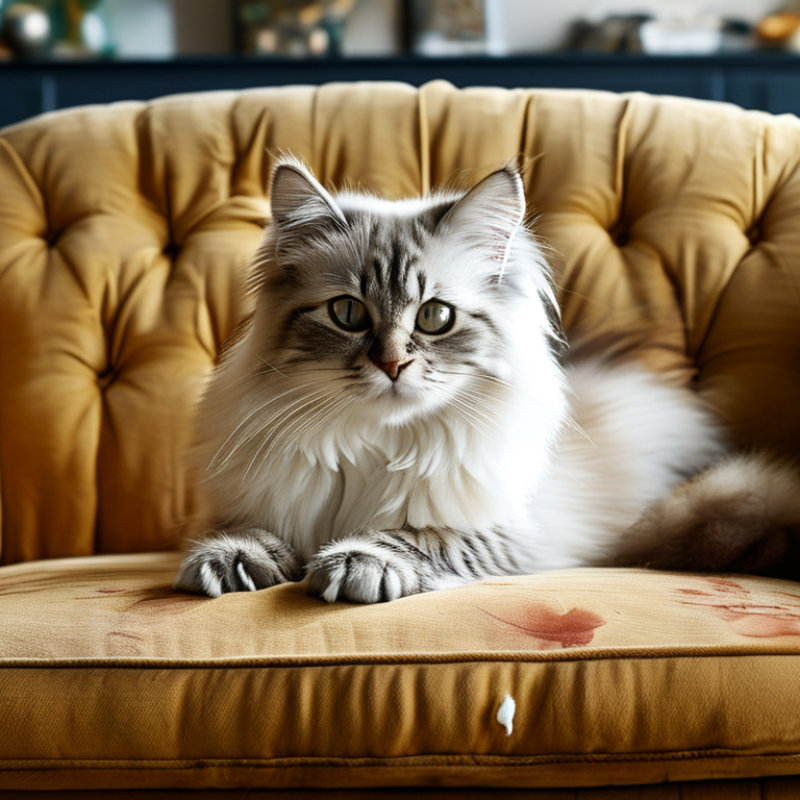
Choosing the right fabric for your new sofa can significantly impact your home, especially if you have pets. Studies show that around 70% of U.S. households own a pet. This means sofa selection needs careful consideration. Opt for fabrics that resist stains and scratches. Microfiber and canvas are popular choices. They are durable and easy to clean, making them ideal for homes with furry friends.
Many pet owners overlook the importance of texture. Smooth fabrics tend to show pet hair more clearly. Textured fabrics can help conceal this. Research from the American Society for the Prevention of Cruelty to Animals (ASPCA) indicates that certain materials, like tightly woven fabrics, can stand up to pet wear and tear. Choosing synthetic materials can also be beneficial. They tend to be more resilient to spills and easier to maintain.
Humidity and pet oils can wear out some fabrics faster than others. It’s essential to consider how often you will clean your sofa. Ideally, choose a fabric that allows for regular upkeep without excessive wear. Remember, the perfect fabric for your sofa may not exist, and adjustments might be necessary as you learn what works best with your pets’ habits.
| Method | Description | Effectiveness | Ease of Implementation |
|---|---|---|---|
| 1. Choose Pet-Friendly Fabric | Opt for tightly woven fabrics like microfiber or synthetic blends that resist scratches and stains. | High | Moderate |
| 2. Use Slipcovers | Protect your sofa with washable slipcovers that are easy to clean. | High | Easy |
| 3. Train Your Pets | Teach your pets to stay off the furniture to prevent wear and tear. | Moderate | Challenging |
| 4. Regular Grooming | Keep your pets well-groomed to minimize shedding and dirt on the sofa. | Moderate | Easy |
| 5. Use Furniture Spray | Apply pet-safe sprays that deter animals from jumping on the sofa. | Moderate | Easy |
| 6. Create a Pet Zone | Designate a comfy area for pets away from the sofa to encourage them to use it. | High | Easy |
| 7. Use Furniture Protectors | Install protectors or barriers on the sofa to prevent pets from jumping. | Moderate | Moderate |
| 8. Keep the Sofa Clean | Regularly clean the sofa to prevent odors and stains. | High | Easy |
| 9. Use Pet-Friendly Fabrics | Select fabrics that are tear-resistant and durable. | High | Moderate |
| 10. Enforce Rules Consistently | Be consistent with rules to help pets understand what areas are off-limits. | High | Challenging |
: Microfiber and canvas are ideal for pet owners. They resist stains and are easy to clean.
Smooth fabrics show pet hair more clearly. Textured fabrics help conceal it better.
Tightly woven and synthetic fabrics tend to withstand pet damage better than others.
Choose fabrics that allow regular cleaning without excessive wear to ensure longevity.
Yes, protective covers are essential to keep sofas clean and attractive for pet-friendly homes.
Yes, slipcovers are versatile and machine washable, making it easier to maintain sofa cleanliness.
Not all slipcovers fit every sofa style. Measure your furniture carefully before purchasing.
No, they are not foolproof. Pets can still snag fabrics, so regular cleaning is vital.
Consider fabric durability, ease of cleaning, and how it interacts with your pet's behavior.
The perfect fabric may not exist. Adjustments may be needed as pet habits change.
When considering how to pet-proof your new fabric sofa, it's essential to begin by selecting pet-friendly fabrics that can withstand the wear and tear from your furry friends. Understanding common pet habits and behaviors, such as scratching and shedding, will also help in making informed choices about your sofa's maintenance. Implementing protective covers and slipcovers can provide an extra layer of defense, while regular cleaning and grooming routines will keep your sofa looking fresh and new.
Additionally, creating pet-free zones in your living space can help protect your sofa from excessive use by pets, ensuring that it remains in great condition. By following these tips, you can effectively learn how to pet-proof your new fabric sofa and maintain a stylish and comfortable living area for both you and your pets.

 Captain Living