How to Transition Living Room Decor from Winter to Spring?

Time:2026-10-23 Author:Sophia
0%

When the days grow longer, your living room does not need a complete makeover. It needs a thoughtful release from winter’s heavier mood. Learning how to transition living room decor from winter to spring starts with light, texture, and edit. Remove thick faux-fur throws, dark velvet pillows, and dense seasonal accessories. Keep a few warm elements for cooler evenings. Spring can still feel comfortable.

Interior designer Nate Berkus offers a useful principle: “Your home should tell the story of who you are, and be a collection of what you love.” His advice supports a gradual, personal transition rather than a rigid seasonal reset. Try replacing one charcoal cushion with a soft sage or pale blue cover. Fold a chunky wool blanket into a woven basket. Then introduce linen curtains, a ceramic vase, or fresh branches near a bright window. Small changes matter.

Notice how the room feels at different times. Morning light may reveal colors that seem too cool at night. A pale rug can brighten the floor, but it may be impractical for busy households. That matters. Design should serve real life, not only photographs. I have found that removing too many winter pieces can make a room feel unfinished. Leave one tactile layer behind. Perhaps the result will not look perfectly styled. That may be the point. A living room should feel refreshed, breathable, and genuinely lived in as spring arrives.
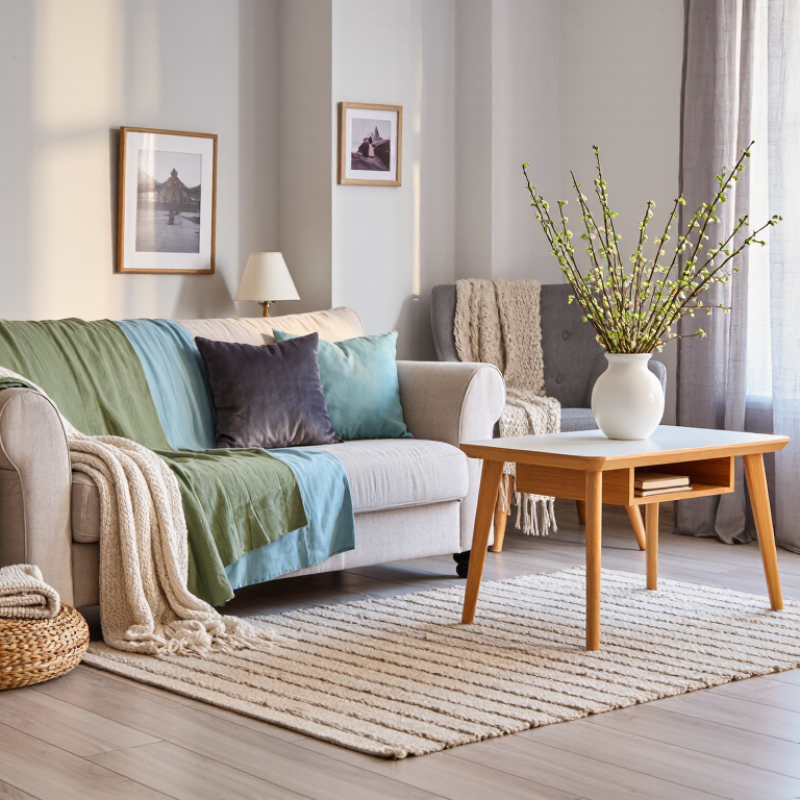
How to Transition Living Room Decor from Winter to Spring?

Assess Your Winter Living Room Decor and Identify Spring Updates

How to Transition Living Room Decor from Winter to Spring?

Before buying anything, assess what winter is still doing in the room. Photograph the space in morning and late-afternoon light. Note heavy throws, dark cushions, artificial greenery, and furniture blocking windows. Keep the pieces that add warmth or comfort. Remove items that make the room feel visually crowded. This matters because the U.S. Environmental Protection Agency reports that indoor pollutant levels can be two to five times higher than outdoor levels. Wash textiles, vacuum beneath seating, and inspect dusty curtains before adding new layers. I often overlook the lamp shades.

Then identify updates that improve light, air, and natural texture. Replace one thick wool throw with a breathable cotton or linen layer. Move a dark accent chair closer to daylight. Add pale green, clay, or soft blue through small accessories rather than repainting immediately. The 2024 ASID Trends Outlook highlights wellness, sustainability, and connection with nature as continuing interior design priorities. A real plant, repaired basket, or reclaimed wood tray can support those ideas without creating waste. Do not force every spring trend into one room.

Use a simple editing test: remove three objects, then live with the room for a week. Check whether movement feels easier and surfaces collect less dust. Spring decor should feel lighter, not unfinished. I am still learning this distinction. A bare corner may need a reading chair, not another ornament.

How to Transition Living Room Decor from Winter to Spring

Assess winter elements and use the increase in natural daylight as a guide for introducing lighter spring textures, colors, and accessories.

Average daylight increases from about 9.7 hours in January to 14.3 hours in May at approximately 40°N latitude. As rooms receive more natural light, consider replacing heavy throws and dark accents with breathable fabrics, sheer curtains, reflective surfaces, and fresh botanical colors.

Refresh the Room by Removing Heavy Seasonal Textures

When winter fades, I begin with the room’s heaviest textures. I fold thick wool throws, velvet cushions, and padded covers into breathable storage bags. I inspect each item first. Damp fabric can develop unpleasant odors during storage. A soft brush removes dust before everything is packed away.

The room feels lighter when bulky layers leave the sofa. I replace them with cotton, linen, or tightly woven blends in pale, natural shades. A thin textured throw still adds comfort without making the room feel closed in. I also remove dark floor coverings when possible. Bare floorboards or a smaller flat-weave rug can make sunlight travel farther. This change is subtle, but noticeable. I sometimes remove too much and regret it, because an empty room can feel cold rather than fresh.

Tips: Change one layer at a time. Keep one warm throw nearby for cool evenings. Wash removable covers according to their care labels, and let them dry completely before storage. Open the windows briefly while cleaning, if outdoor conditions allow. Check the seating afterward. If the room feels echoing or uncomfortable, return one soft element. Spring decorating should support daily comfort, not only appearance. Fresh flowers can help, but clean surfaces and lighter fabrics usually create the stronger change.

How to Transition Living Room Decor from Winter to Spring? — Refresh the Room by Removing Heavy Seasonal Textures
Step Winter Element to Remove or Reduce Spring Refresh Practical Action Expected Visual Effect Suggested Timing
1 Thick wool or faux-fur throw blankets Light cotton, linen, or cotton-blend throws Fold one lightweight throw over the sofa arm or place it in an open basket instead of layering several blankets. Creates a softer, less visually dense seating area. Early spring
2 Velvet, boucle, or heavy chenille accent pillows Textured linen, cotton, or woven pillow covers Replace a few winter covers while keeping one neutral textured pillow for continuity. Adds breathable texture without making the room feel cold or bare. Early spring
3 Dark, densely patterned cushion colors Soft greens, warm whites, pale blues, or muted yellows Use two or three lighter accent colors that coordinate with the existing sofa and rug. Introduces a brighter seasonal palette with controlled contrast. Early to mid-spring
4 Heavy lined curtains or layered window treatments Light-filtering cotton or linen-look panels Open curtains during daylight hours and remove an extra layer if privacy and sunlight conditions allow. Improves daylight and makes the living room appear more open. Mid-spring
5 Thick winter area rugs or overlapping floor textiles Flat-weave cotton, jute, or low-pile rugs Clean and store the seasonal rug only when the floor is dry and indoor temperatures are comfortable. Reveals more floor area and gives the room a lighter visual footprint. When temperatures stabilize
6 Dense arrangements of candles and dark decorative objects Clear glass, ceramic, wood, or botanical accents Group three to five small objects at different heights and leave some surface area visible. Creates a cleaner focal point and reduces winter heaviness. Any time in spring
7 Seasonal accessories placed on every surface A smaller, edited selection of decorative pieces Remove approximately one-third of visible accessories, then rearrange the remaining items by color or height. Improves visual balance and makes everyday cleaning easier. After the textile swap
8 Artificial winter branches or deep-toned foliage Fresh branches, green houseplants, or simple seasonal stems Choose plants suited to the room’s available light and place them where they will not obstruct walkways. Adds natural color and reinforces the spring transition. Mid to late spring

Introduce Lighter Colors and Natural Spring-Inspired Materials

How to Transition Living Room Decor from Winter to Spring?

Spring begins with subtraction. Remove heavy throws, dark velvet cushions, and dense wool rugs. Keep one textured layer for cool evenings. Then introduce chalky blue, soft sage, warm ivory, or pale clay through cushions and washable covers. These colors reflect daylight without making the room feel sterile. Small changes matter.

A professional color test should happen beside the window. Paint three sample cards, and observe them in morning and afternoon light. I still get this wrong sometimes. Pale green can look gray on cloudy days. Balance it with honey-colored wood, woven seagrass, linen, rattan, or unfinished ceramic. According to the 2024 1stDibs Designer Survey, which collected responses from more than 600 design professionals, natural wood and earthy palettes remained prominent choices. That supports a practical shift toward tactile, nature-inspired materials.

Choose materials that can handle real life. A linen-blend sofa cover feels relaxed, but pure linen may crease quickly. That is not a failure. It is part of the texture. The U.S. Environmental Protection Agency reports that indoor pollutant levels can be two to five times higher than outdoor levels. Ventilate while cleaning, and select low-odor finishes when possible. Add one leafy plant near filtered sunlight, not directly against hot glass. Leave some dark wood visible. Too much lightness can flatten the room.

Rearrange Furniture to Create an Airier, More Open Layout

When winter loosens its grip, start with walking paths, not decorations.

Move the sofa twelve inches from the wall if the floor plan allows. This small gap can make the room feel less packed and give curtains space to move. Place the largest chair near a window, angled toward the sofa instead of blocking the glass. Morning light will reach more surfaces. Keep about 30 inches for main walkways, preventing awkward collisions with coffee tables.

A heavy winter arrangement often gathers around the fireplace. Shift two chairs apart and turn their legs inward, creating a lighter conversation area. Remove one side table if it interrupts movement. It may feel strangely empty at first. That is useful information. Test the layout for a full day while carrying laundry and opening cabinets. I once pushed a sofa too far forward and loved the appearance, but disliked the narrow passage behind it. Daily movement revealed the mistake faster than photographs.

Use the coffee table as a flexible center, leaving visible floor around it. A round table can soften sharp furniture lines, while a slim bench can replace a bulky ottoman. Keep heavier pieces low and let open shelving breathe above them. Add spring textiles only after the layout works. Otherwise, cushions may disguise poor spacing. Stand at the doorway and check whether your eye travels easily toward the window. If furniture corners interrupt that view, edit again.

Complete the Transition with Fresh Accessories and Greenery

How to Transition Living Room Decor from Winter to Spring?

Spring arrives indoors through small, deliberate changes. Remove heavy throws, dark candles, and dense winter textures. Keep one warm element, though. A soft wool cushion can balance cooler mornings.

Add fresh accessories in linen, cotton, glass, or pale ceramic. Choose two related colors, such as sage and warm white. Too many shades can make the room feel accidental.

The 2024 National Gardening Association survey reported that 75% of U.S. households participated in gardening. That interest supports a practical design choice: bring living plants into visible, daily spaces.

Place a trailing plant on a bookshelf, then add clipped branches to a narrow vase. Use odd numbers for a less rigid arrangement. Greenery should look touched by life, not perfectly staged.

Natural light matters more during this transition. The Illuminating Engineering Society recommends layered lighting for residential interiors, combining ambient, task, and accent sources. Open sheer curtains during the day, then use one warm lamp near seating. This creates depth without making the room feel overly decorated.

Fresh flowers can also add seasonal color. The Society of American Florists’ consumer research has consistently linked flowers with positive emotional responses, but flowers do not need to fill every surface. One modest arrangement may work better.

I often overwater new plants. That is a useful warning. Check the soil before adding more water, and choose containers with drainage. Refresh only what feels tired. A room can remain imperfect and still feel ready for spring.

FAQS

Which winter textures should I remove for spring?

Fold away thick wool throws, velvet cushions, and padded covers. Brush off dust before storage. Keep one warm throw nearby.

How should I store seasonal fabrics?

Use breathable storage bags, not damp containers. Wash removable covers according to their care labels. Let every piece dry completely.

Can bare floors make a living room feel fresher?

Yes. Remove dark floor coverings or replace them with a smaller, flat-weave rug. Bare boards can help sunlight travel farther.

Should I remove every soft item?

No. An empty room may feel cold instead of fresh. Return one cushion or textured throw if the space feels uncomfortable.

How can furniture create a more open layout?

Move the sofa about twelve inches from the wall when possible. Keep roughly 30 inches for main walkways. Test the arrangement during normal daily tasks.

What should I do if a new layout looks good but feels awkward?

Live with it for a full day. Carry laundry, open cabinets, and walk behind the sofa. Photos can hide narrow passages.

Which accessories suit a spring transition?

Choose linen, cotton, glass, or pale ceramic pieces. Limit the palette to two related colors, such as sage and warm white. Too many shades may look accidental.

How can plants and lighting add seasonal freshness?

Place a trailing plant on a shelf and clipped branches in a narrow vase. Check the soil before watering. Open sheer curtains by day, then use a warm lamp near seating. I sometimes overwater plants. That mistake is easy to repeat.

Conclusion

Learning how to transition living room decor from winter to spring starts with evaluating the room’s current mood, textures, and color palette. Put away overly heavy blankets, dark accents, thick rugs, and winter-themed decorations that make the space feel enclosed. Replace them with breathable fabrics, lighter shades, and natural materials such as cotton, linen, woven fibers, and light wood. Soft greens, warm whites, gentle blues, and fresh neutrals can instantly create a brighter seasonal atmosphere.

Next, reconsider the furniture arrangement to improve movement and openness. Move bulky pieces away from walkways, allow more natural light to enter, and create a layout that feels relaxed and welcoming. Complete the update with simple accessories, including lightweight cushions, airy curtains, ceramic details, seasonal artwork, and fresh greenery. A few thoughtfully chosen plants or branches can add color, texture, and a natural spring feeling without overwhelming the room.

Sophia

Sophia

Sophia is a dedicated marketing professional with an exceptional depth of knowledge about her company's products and services. With a keen understanding of market trends and customer needs, she crafts insightful blog posts that not only inform but also engage readers, enriching the company’s online......