Why Does My Wooden Furniture Crack in Winter?

Time:2026-04-29 Author:Amelia
0%

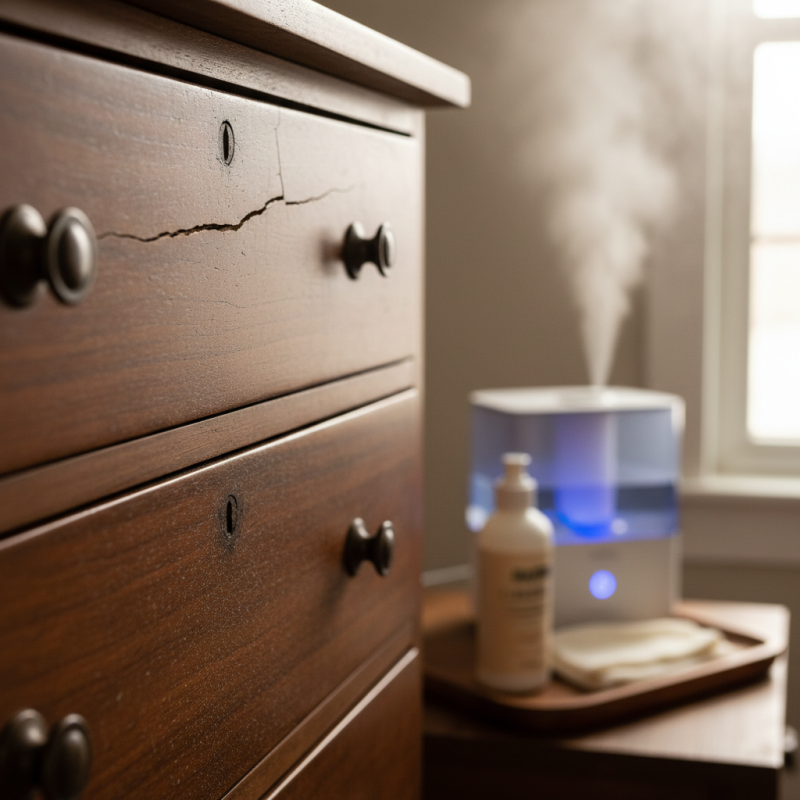
Winter brings unique challenges for wooden furniture. Homeowners often wonder, "why is my wooden furniture cracking in winter?" This question reveals much about how wood interacts with changing temperatures and humidity levels. As temperatures drop, the air becomes drier, leading to a loss of moisture in wooden pieces. This reduction can cause wood to shrink, resulting in visible cracks and splits.

Understanding the reasons behind this phenomenon can help prevent damage. Proper humidity levels are crucial. A humidifier can maintain ideal moisture content in the air. Regularly applying wood conditioner is equally important, as it nourishes the wood and helps retain its natural oils.

Ignoring these aspects might lead to costly repairs. A cracked surface not only reduces the aesthetic appeal but can affect the overall integrity of the furniture. Reflection on these maintenance practices can save valuable pieces from deterioration. Embracing these methods paves the way for a more resilient and beautiful furniture collection through winter's grip.
Why Does My Wooden Furniture Crack in Winter?

Factors Contributing to Wooden Furniture Cracking in Winter

Wooden furniture is often susceptible to cracking in winter due to environmental changes. The drop in temperature leads to lower humidity levels, which can cause the wood to dry out. According to the Wood Products Council, a humidity level below 30% can create significant stress on wood structures, resulting in cracks and splits.

The expansion and contraction of wood play a crucial role in its integrity. When temperatures drop, the moisture content in wood decreases, causing it to shrink. This is often most evident around joints and seams. A study from the Forest Products Laboratory indicates that wood can lose up to 0.1% of its moisture content for every 1% drop in relative humidity. Consequently, this can lead to visible cracks, making it essential for furniture owners to monitor the indoor environment.

Additionally, heating systems often exacerbate the problem. Central heating can further reduce humidity levels, leading to rapid drying of the wood. Unexpected cracks may emerge, even on well-maintained pieces. Keeping wooden furniture in optimal conditions requires vigilance and adaptation. Regularly using humidifiers can help maintain the necessary moisture levels, protecting your valuable furniture from the harsh winter outcomes.

The Role of Humidity Levels on Wood Stability During Winter Months

During winter, many wooden furniture pieces develop cracks and splits. This mainly stems from low humidity levels commonly found in heated indoor environments. When the air dries out, the moisture content in the wood diminishes. As wood loses moisture, it shrinks, potentially causing surface cracks.

Maintaining stable humidity levels is crucial for wood stability. Ideally, humidity should remain between 30% and 50%. When levels drop below this threshold, the chances of damage increase significantly. Using a humidifier can help mitigate dryness. However, it is essential to adjust settings carefully to avoid excessive moisture, which can also harm wood. Observing how your furniture reacts to seasonal changes can provide helpful insights.

It is not uncommon for homeowners to overlook this issue until damage is visible. Small cracks may initially seem negligible but can worsen over time. Regular inspections of your furniture can help catch any problems early. Caring for wooden items requires attention and awareness. Striking a balance in humidity is vital for maintaining their beauty and integrity.

How Temperature Fluctuations Affect the Moisture Content in Wood

Changes in temperature often impact wooden furniture. During winter, the air becomes dry due to heating systems. This dryness affects the moisture content in wood, leading to cracks and splits.

Wood is a natural material. Its moisture content can fluctuate significantly. Research shows that a 1% drop in moisture can lead to a 1-2% shrinkage in wood. This movement can cause visible damage. A 2021 study by the Forest Products Laboratory indicated that indoor humidity levels below 30% can increase the likelihood of issues in wooden furniture.

Keeping humidity levels stable is crucial. Experts recommend maintaining indoor humidity around 40-60% in winter. Using a humidifier can help. However, it’s not always feasible for everyone. Regularly monitoring your wooden furniture for signs of stress is essential. Look for small fissures or gaps. Addressing these issues early can extend the life of your pieces. Allowing wood to dry too much may lead to irreversible damage.

Long-term Effects of Winter Conditions on Wooden Furniture Lifespan

Wooden furniture can suffer significantly during winter months. The air is drier, causing wood to lose moisture. This results in cracks and splits, especially in untreated or low-quality pieces. Prolonged exposure to such conditions can shorten a piece's lifespan.

These cracks not only affect appearance but can also weaken structure. A chair might wobble or a tabletop may become unstable. Regular treatments can mitigate these effects. A simple wax or oil application can help maintain moisture levels in the wood.

Despite these solutions, not all furniture responds well. Some woods are more resilient, while others may be more susceptible to damage. It's essential to monitor your furniture closely during winter. Adjustments in care routines may be necessary to preserve your pieces. Reflecting on this can improve the life of your beloved items over time.

Impact of Winter Conditions on Wooden Furniture

This chart illustrates the long-term effects of winter conditions on wooden furniture. High levels of cracking, warping, and drying are observed, significantly impacting the furniture's lifespan and durability.

Preventive Measures to Reduce Cracking in Wooden Furniture During Winter

Wooden furniture is prone to cracking during the winter months. This happens due to fluctuations in humidity and temperature. When the air is dry, wooden furniture loses moisture. As a result, the wood shrinks, leading to cracks. According to a study by the National Wood Flooring Association, dry winter air can reduce indoor humidity levels to as low as 20%. This is significantly lower than the ideal range of 30-50%.

To prevent your wooden furniture from cracking, maintaining appropriate humidity levels is crucial. Using a humidifier can help keep the air moist. Aim for a level around 40% during winter months. Regularly applying a high-quality wood conditioner can also help lock in moisture. This not only nourishes the wood but creates a protective barrier as well. Additionally, placing furniture away from heat sources, like radiators, is important. Direct heat can exacerbate moisture loss, resulting in more cracks.

Understanding how wood behaves in different climates offers valuable insight. It’s also essential to regularly inspect your furniture for any early signs of cracking. Timing is critical because once cracks form, repairs may require professional help. Being proactive can prevent further damage and prolong the life of your furniture.

Why Does My Wooden Furniture Crack in Winter? - Preventive Measures to Reduce Cracking in Wooden Furniture During Winter

Preventive Measures Description Effectiveness Rating
Maintain Humidity Use a humidifier to keep indoor humidity levels between 30-50%. High
Avoid Direct Heat Place furniture away from heaters and fireplaces to prevent rapid drying. Medium
Regular Oiling Apply furniture oil to maintain the wood’s moisture and flexibility. High
Temperature Control Keep the room temperature stable to minimize wood contraction and expansion. Medium
Proper Cleaning Use dry or slightly damp cloths for cleaning to avoid excess moisture. High

FAQS

: Why does wooden furniture crack in winter?

: Cracking occurs due to dry air, leading to moisture loss in wood.

What humidity level is ideal for wooden furniture?

An ideal humidity level is around 30-50%. Aim for 40% in winter.

How can I maintain moisture in my wooden furniture?

Use a humidifier and apply wood conditioner regularly to lock in moisture.

What happens if I don't care for my wooden furniture in winter?

Neglecting care can lead to cracks and weaker structures, like wobbling chairs.

Can all types of wood be treated the same?

No, different woods respond differently; some are more resilient than others.

What should I do if I notice cracks in my furniture?

Inspect regularly and address early signs of damage; consider professional repairs if needed.

How can heat sources affect my wooden furniture?

Direct heat from radiators can worsen moisture loss, increasing the likelihood of cracks.

Is there a long-term solution for preserving wooden furniture?

Regular treatments and monitoring can extend furniture lifespan, but reflect on care routines.

What are signs that my furniture needs attention?

Look for cracks, splits, or changes in stability; take action before damage worsens.

Can I use any wood treatment for my furniture?

Choose high-quality products designed for wood; not all treatments are effective or suitable.

Conclusion

Wooden furniture can often crack during winter, leading many to wonder, "why is my wooden furniture cracking in winter?" Several factors contribute to this issue, primarily related to humidity levels and temperature fluctuations. During winter months, indoor heating reduces humidity, causing wood to lose moisture and shrink. This loss alters the wood's structure, resulting in visible cracks and splits.

Additionally, extreme temperature changes can exacerbate these problems, as the wood expands and contracts in response to environmental shifts. Long-term exposure to such conditions can significantly shorten the lifespan of wooden furniture. To mitigate cracking, it is essential to maintain stable indoor humidity levels and consider using humidifiers, particularly in winter. Regular care and preventive measures can help preserve the integrity of wooden pieces throughout the colder months.

Amelia

Amelia

Amelia is a seasoned marketing professional with a wealth of expertise in our company’s core offerings. With an unwavering passion for driving growth and innovation, she plays a pivotal role in shaping our marketing strategies and enhancing brand visibility. A key aspect of her responsibilities......