Why Does My Wooden Furniture Crack in Winter?

Time:2026-08-02 Author:Sophia
0%

Winter can be a challenging time for wooden furniture. As temperatures drop and humidity levels fall, many homeowners ask, "why is my wooden furniture cracking in winter?" This issue arises from the unique properties of wood. Wood expands and contracts with changes in moisture and temperature. In winter, the dry air can cause the wood to lose moisture rapidly.

When this happens, the natural oils and resins in the wood diminish. Cracks can appear, affecting both aesthetics and durability. Not all wood types react the same way, so some pieces may show more signs of distress than others. Observing these changes is important for maintaining furniture.

Regular care is essential during this season. However, many overlook this routine maintenance. Humidifiers can help, but they are not always a perfect solution. Understanding why your wooden furniture is cracking in winter is the first step to prevention. Taking action can preserve its beauty and function for years to come.
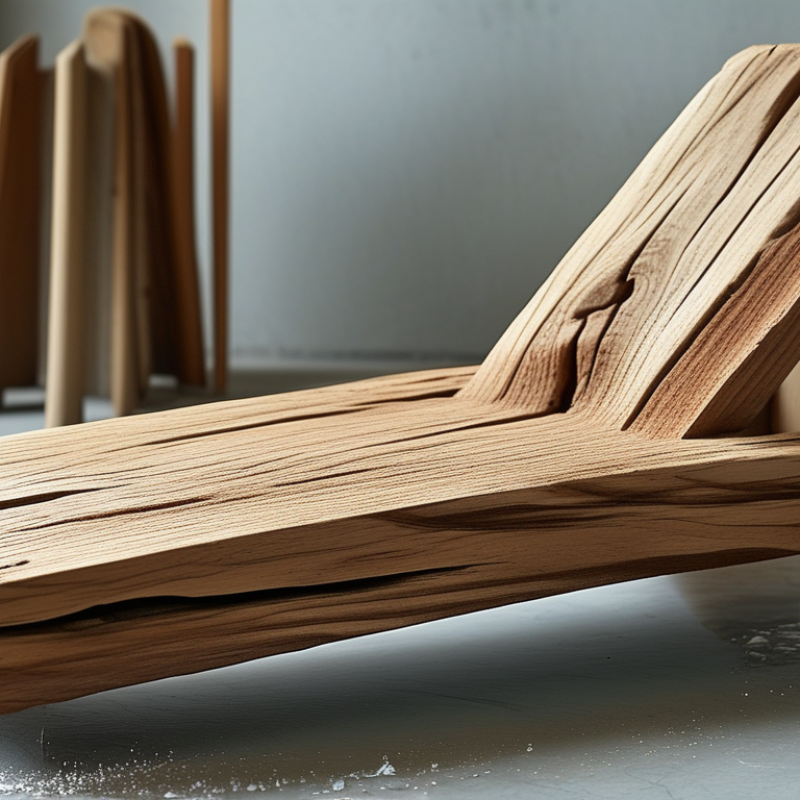
Why Does My Wooden Furniture Crack in Winter?

Understanding the Impact of Winter on Wooden Furniture

As winter approaches, many homeowners notice cracks forming in their wooden furniture. Understanding the causes can help mitigate damage. Low humidity levels in winter cause wood to lose moisture. Research indicates that indoor humidity can drop to as low as 20%, leading to significant shrinkage in wooden structures (National Wood Flooring Association).

These changes can result in cracking. A study by the Forest Products Laboratory shows that wood can shrink up to 1% in width for every 1% drop in moisture content. Many people overlook the importance of maintaining proper humidity levels in their homes. Investing in a humidifier can help stabilize humidity, preventing wood from becoming overly dry.

Wood is sensitive to environmental shifts. When temperatures drop, people close their windows and turn up the heat. This creates an extremely dry atmosphere. Interestingly, wood does not just react to heat; it reacts to moisture changes too. Inconsistent humidity levels can lead to gaps and even warping over time. Regularly checking the humidity and adjusting it can prolong the life of your wooden furniture while maintaining its beauty.

Impact of Winter on Wooden Furniture Cracking

How Humidity Levels Affect Wooden Furniture Cracking

Wooden furniture is susceptible to cracking during winter months. This is largely due to humidity levels dropping, which causes wood to lose moisture. A report from the Wood Products Council indicates that indoor humidity can plunge to as low as 20% in winter. This low humidity leads to wood drying out and shrinking, resulting in unsightly cracks.

Tips: Keep indoor humidity levels between 30% to 50%. You can use a humidifier to maintain this balance. Regularly check wood furniture for signs of distress, such as small gaps or fissures.

Another contributing factor is temperature fluctuations. Warm indoor air can dry out the wood quickly, compounding the issue. A study by the Forest Products Laboratory emphasizes that rapid drying can promote significant cracking. Monitor your environment closely, especially when heating systems operate continuously.

Tips: Avoid placing furniture near heat sources. Consider using moisture-absorbing products, which can help regulate humidity levels effectively. Integrating both practices can reduce the risk of damage significantly.

The Role of Temperature Fluctuations in Wood Expansion and Contraction

Wooden furniture can be quite sensitive to temperature fluctuations. In winter, the drop in temperature causes the wood to contract. This natural process creates stress within the material, which may result in cracks. The sudden cold can lead to rapid changes that the wood struggles to withstand.

Humidity levels also play a crucial role. When the air is dry, wooden structures lose moisture. This loss can exacerbate cracks, as the wood continues to shrink. Even minor changes in temperature or humidity can harm your furniture. It’s essential to monitor the environment where your furniture resides.

Take note of the conditions in your home. Keeping your living space at a stable temperature can help reduce these issues. Use humidifiers in dry months to maintain a balance. Be aware that even the best care cannot prevent every crack. Over time, furniture may still show signs of wear. Understanding these dynamics allows for better preservation of your cherished pieces.

Preventive Measures for Protecting Wooden Furniture in Cold Weather

Cold weather can be tough on wooden furniture. The drop in humidity leads to dryness, which often results in cracks. Wood is a natural material that expands and contracts. When temperatures fall, the moisture in the wood decreases, making it brittle and more prone to damage.

To protect your furniture, consider using a humidifier. Keeping indoor humidity above 30% can help maintain the wood's moisture balance. Regularly apply wood conditioner or oil; this can nourish the surface and help it resist cracking. Another effective method is to keep furniture away from direct heat sources, like radiators or fireplaces. Such exposure can cause uneven drying.

Always check for signs of wear. Small cracks can develop into larger issues if neglected. If you notice a slight split, take action sooner rather than later. Be aware that even with precautions, some wood may still show signs of aging. These imperfections can add character over time but should be monitored for further damage.

Why Does My Wooden Furniture Crack in Winter? - Preventive Measures for Protecting Wooden Furniture in Cold Weather

Issue Description Preventive Measure
Dry Air Cold weather often leads to decreased humidity levels, causing wood to dry and crack. Use a humidifier to maintain optimal humidity levels.
Temperature Fluctuations Rapid changes in temperature can stress wood and cause it to split. Keep furniture away from heat sources and drafty windows.
Improper Maintenance Lack of regular treatment can lead to dryness and cracking of finish. Regularly apply wood conditioner or wax to nourish and protect the wood.
Poor Quality Wood Low-quality wood is more susceptible to cracking in adverse conditions. Invest in high-quality, solid wood furniture.
Excessive Load Placing heavy items on furniture can lead to stress and fractures. Distribute weight evenly and avoid overloading furniture.

Common Myths About Wooden Furniture and Winter Care

Wooden furniture faces unique challenges during winter. Many believe that moisture is the only culprit behind cracks. However, humidity fluctuations play a significant role. During winter, indoor air can become very dry. A study by the Wood Products Council indicates that relative humidity below 30% can lead to shrinkage in wood, causing cracks.

Another common myth is that applying oil or wax protects against winter damage. While these products can enhance appearance, they do not address underlying moisture issues. It's crucial to maintain balanced humidity levels. A hygrometer can help monitor indoor moisture. Keeping it between 40% and 60% may prevent winter-related damages.

Moreover, placing furniture too close to heat sources is often overlooked. Direct heat can exacerbate drying out wood, leading to more cracking. There’s also the misconception that all types of wood react the same way. Different species absorb and release moisture at varying rates. Understanding the specific needs of your furniture is essential. The more you learn, the better you'll protect your investments.

FAQS

: Why does wooden furniture crack in winter?

: Cracking occurs due to low humidity levels. Wood loses moisture, leading to shrinkage and cracks.

What is the ideal indoor humidity level for wooden furniture?

The best humidity range is between 30% to 50% to protect wooden items from damage.

How can I maintain humidity in my home?

Use a humidifier to stabilize humidity levels, preventing wood from becoming overly dry.

What should I do if I see cracks in my furniture?

Check for small gaps regularly. Take action if cracks worsen; early intervention is crucial.

How does temperature affect wooden furniture?

Temperature fluctuations can lead to rapid drying of wood, increasing the risk of cracks.

Should I place furniture near heat sources?

Avoid placing wooden furniture near radiators or fireplaces. Direct heat can cause uneven drying.

How can I nourish my wooden furniture?

Regularly apply wood conditioner or oil. This helps maintain the wood’s moisture and reduces cracking.

Are some cracks in wood normal?

Minor cracks can be normal and may add character. However, monitor them for further damage.

How can I check for signs of wear?

Look for small gaps or splits in the wood. Regular inspections can help catch issues early.

What if my home humidity drops below 20%?

If humidity falls too low, consider using a humidifier quickly to prevent serious damage to wood.

Conclusion

As temperatures drop during the winter months, many people find themselves asking, "why is my wooden furniture cracking in winter?" This phenomenon is largely due to the effects of low humidity levels and significant temperature fluctuations. Wooden furniture absorbs moisture from the air, and when humidity is low, it can lead to the wood drying out and cracking. Additionally, as temperatures change, wood expands and contracts, which further exacerbates the issue.

To mitigate cracking, it is essential to maintain consistent humidity levels in your home through the use of humidifiers, especially during the winter. Understanding the natural behavior of wood and incorporating preventive measures can help protect your furniture from damage. There are also common myths surrounding the care of wooden furniture during winter that need clarification, emphasizing the importance of proper maintenance techniques to preserve its integrity.

Sophia

Sophia

Sophia is a dedicated marketing professional with an exceptional depth of knowledge about her company's products and services. With a keen understanding of market trends and customer needs, she crafts insightful blog posts that not only inform but also engage readers, enriching the company’s online......